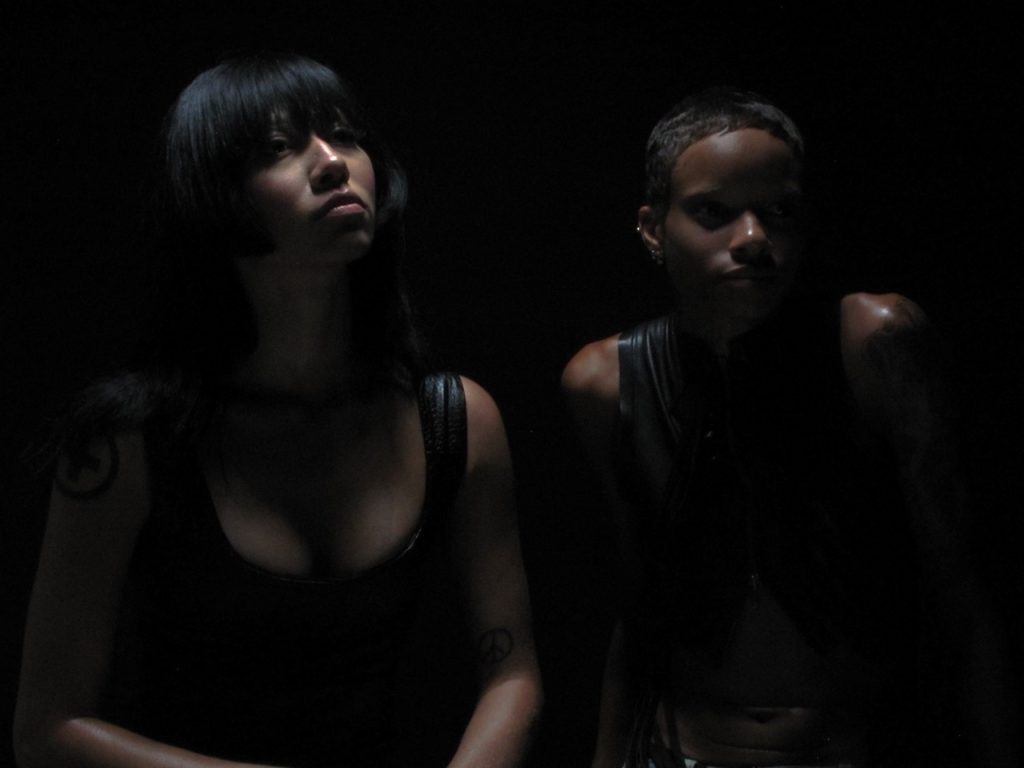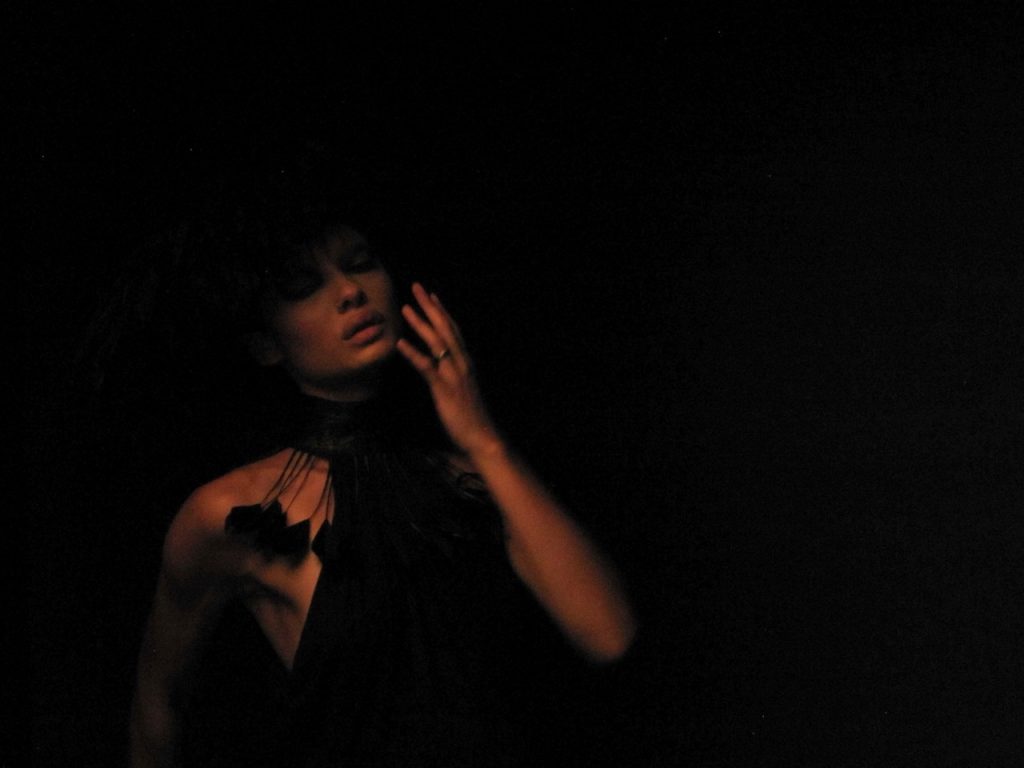

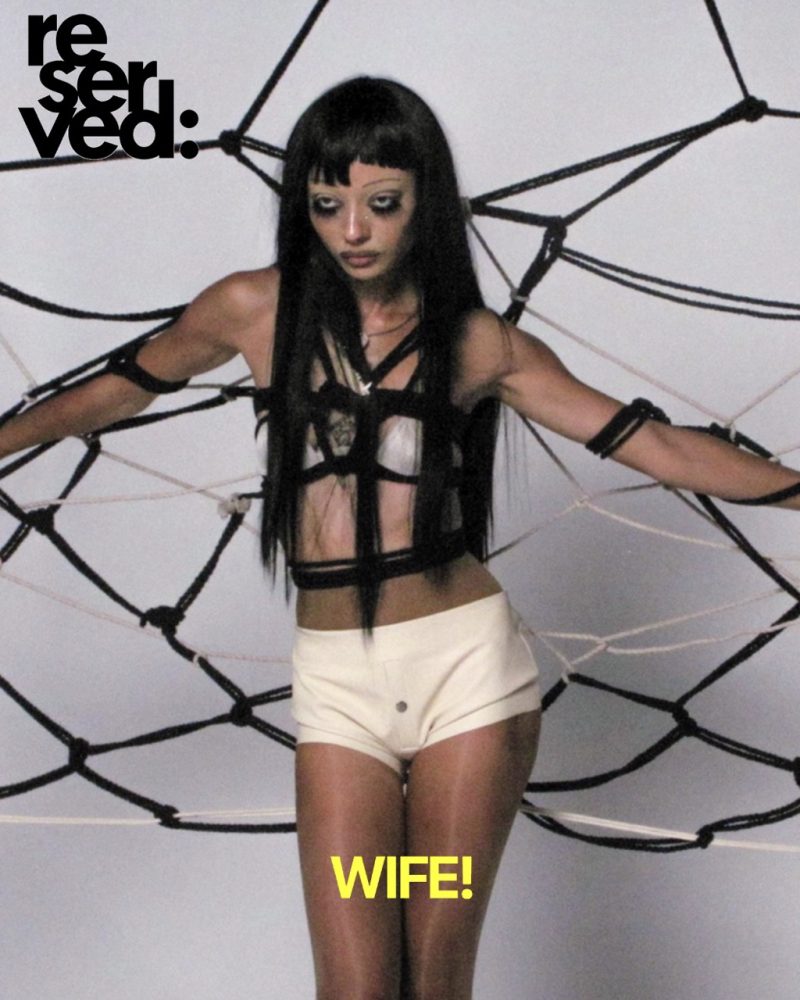

WIFE glides through the world with a rare kind of clarity. Their path forged in rupture, survival, and an unwavering commitment to self-truth. Born in San Diego and raised in Arizona, the neurodivergent queer singer/songwriter fled a conservative Christian nationalist town at just 17, returning to Los Angeles in pursuit of freedom from racism and homophobia. That early act of self-liberation would become a recurring motif in their life and work: the refusal to live under imposed constraints. In conversation, WIFE speaks of freedom not as escape, but as an internal homecoming. It is an evolution from seeking possibility outwardly to cultivating sovereignty within.
Their creative path has been anything but linear. As a teenager, WIFE’s voice carried underground industry buzz in Los Angeles before they stepped away from music, redirecting their artistry into a modeling career and later falling into the whimsical art world working with Jeffrey Deitch’s Hollywood gallery. These spaces of fashion, art, and music, each sharpened their understanding of power, identity, and authorship, reinforcing a philosophy rooted in authenticity and self-definition. Modeling taught them to stand firm in their values; art taught them that creation belongs to the community once it leaves the body. Music, however, remained a quiet constant, waiting patiently for its return.
That return arrives now in Mourning, a cathartic and unfiltered album born from profound loss and radical healing. After relocating to New York in 2024 and surviving domestic abuse that resulted in a physical disability, WIFE turned inward, documenting every emotion along the path from devastation to self-reclamation. Drawing from influences as expansive as Nina Simone, Garbage, Prince, to Massive Attack, Mourning functions as both archive and offering a non-linear map of who they have been and who they are becoming. Rooted in resilience, accountability, and care, the project extends beyond the self: a portion of proceeds will support other survivors of domestic violence. For WIFE, creating is not just survival, it is transmutation, community, and a declaration that healing, too, can be beautiful.
-

- WIFE Photographed by Kimberly Baldo
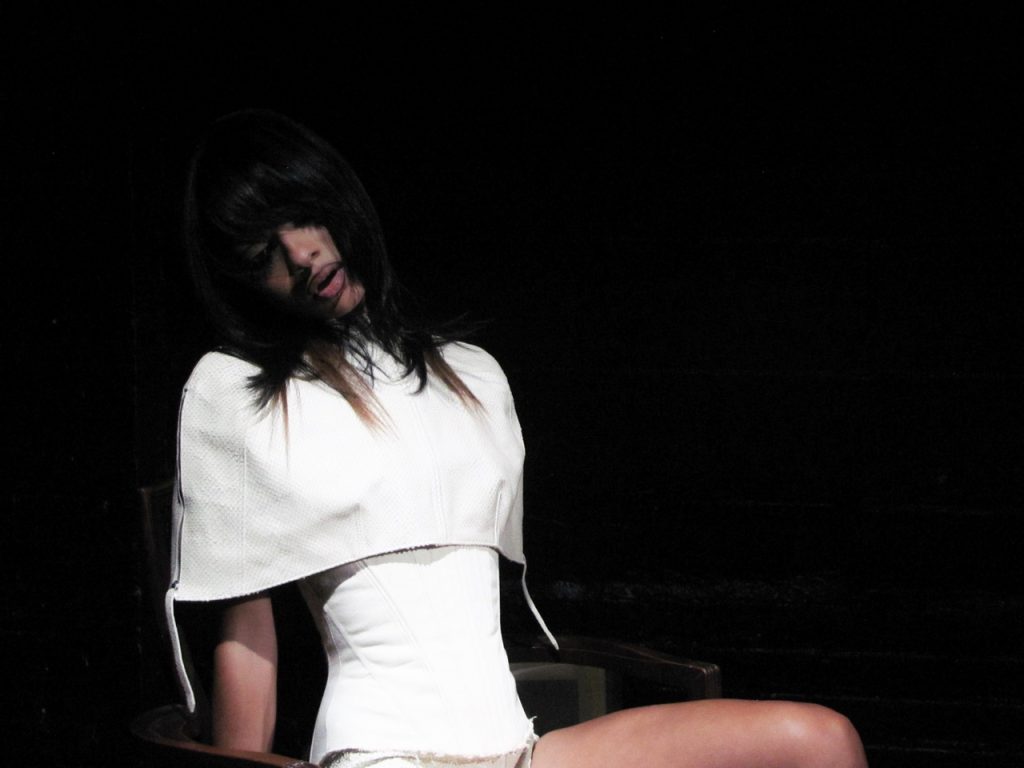
-
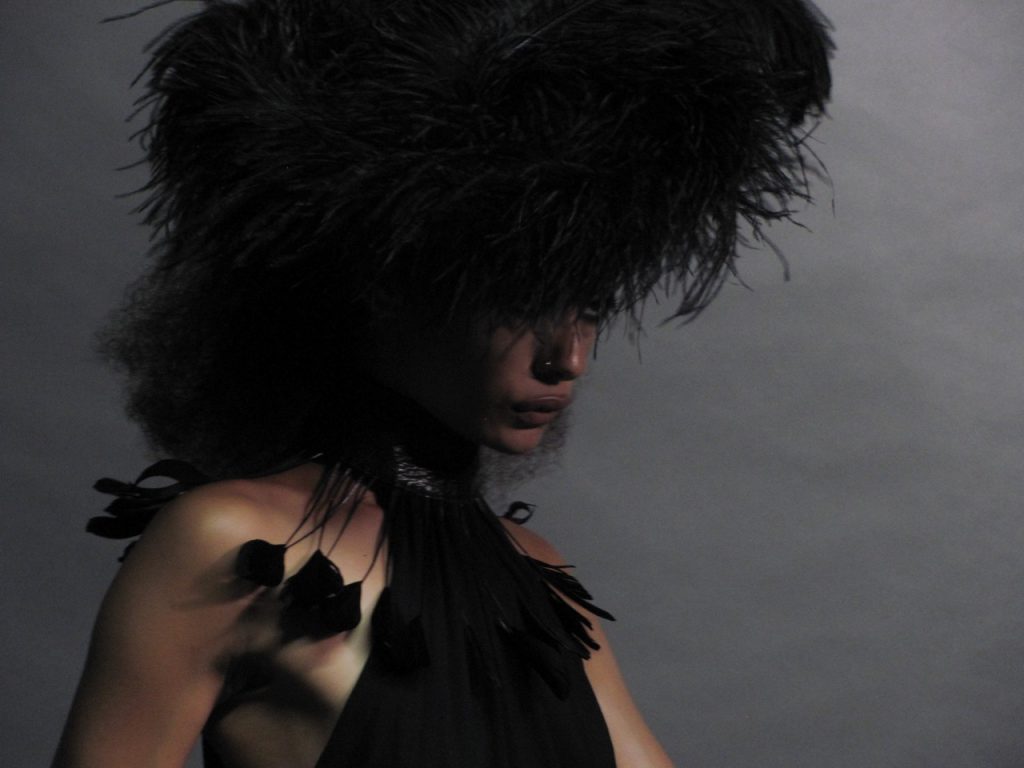
- WIFE Photographed by Kimberly Baldo
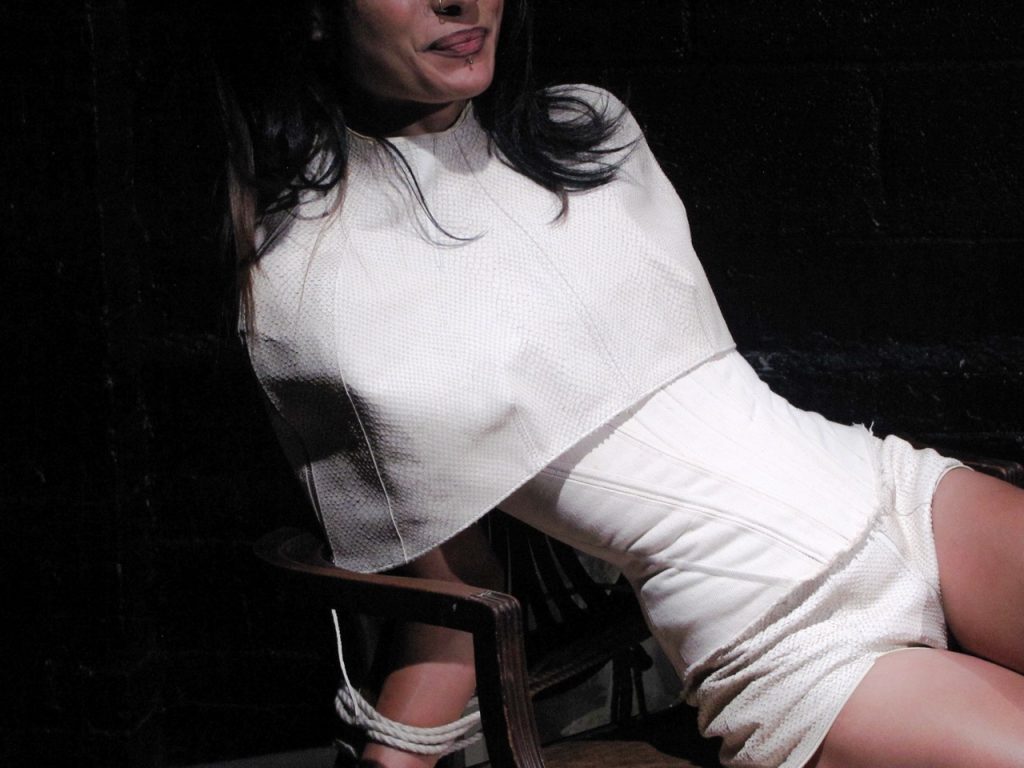
-
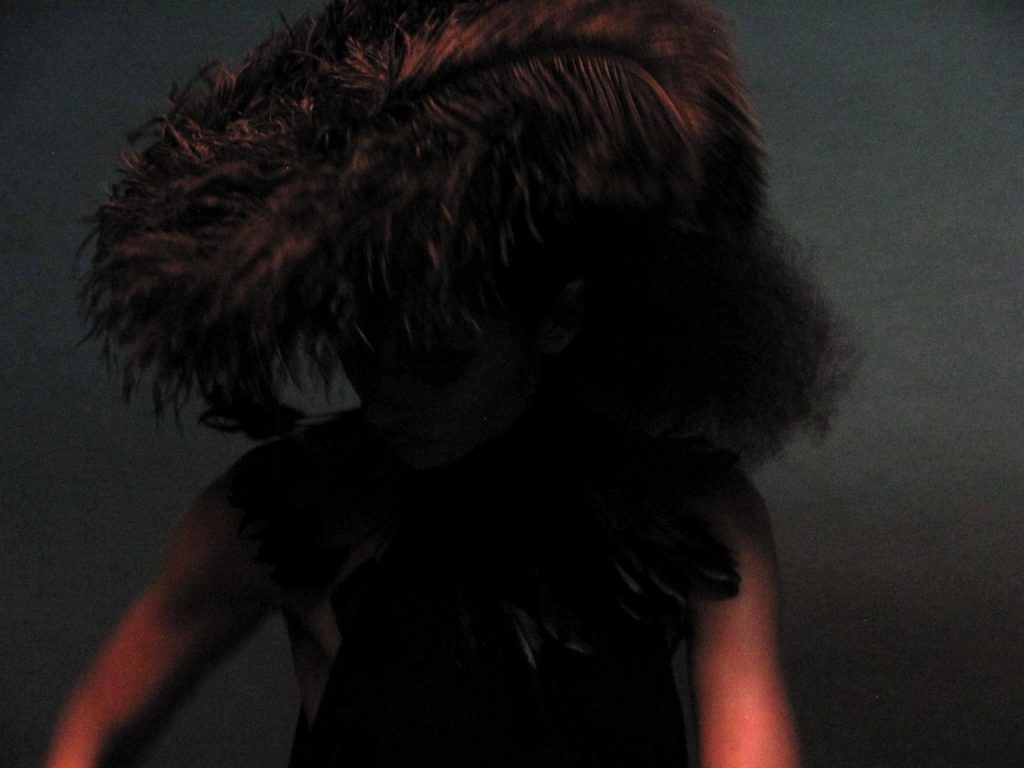
- WIFE Photographed by Kimberly Baldo
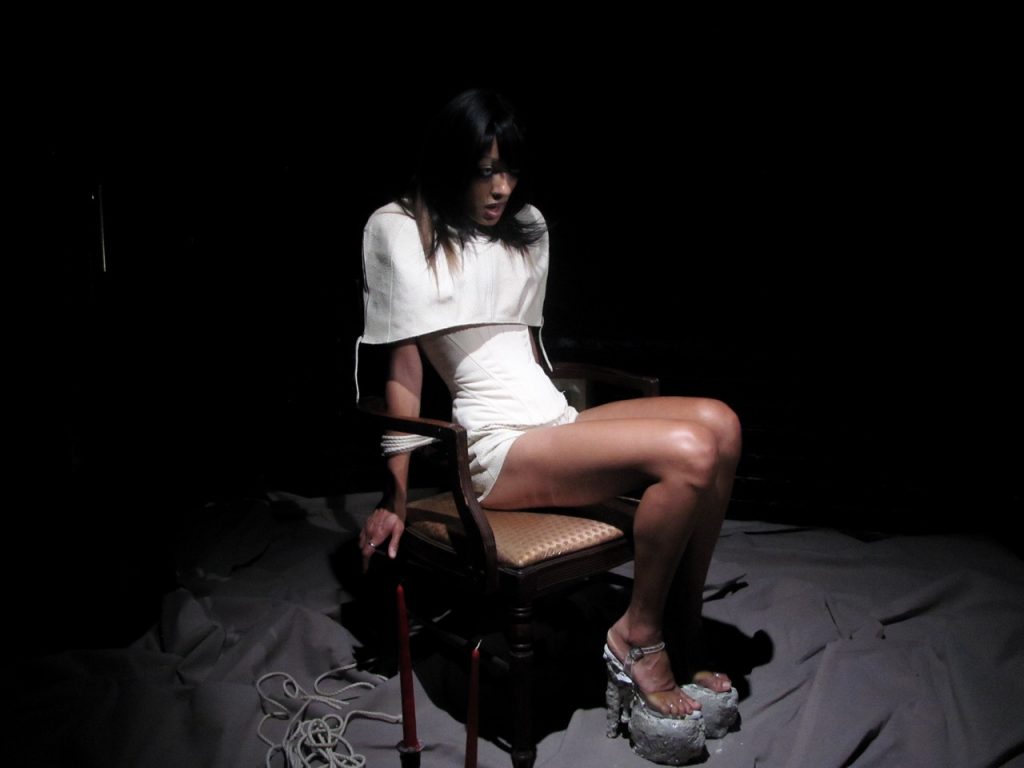
Reserved Magazine: How do you understand the idea of “freedom” today, compared to what it meant to you at 17 when you left the community you grew up in?
WIFE: Freedom to me today versus when I left the conservative environment I was raised in could be defined in both similar yet contrasting ways. In all instances it holds meaning of a life without restrictions. At 17, I felt this need to be able to explore more external aspects of life, while today at 26 I feel freedom is the ability to sit with yourself and feel at home in the internal.
Reserved Magazine: What does healing mean to you, as it is not as a destination, but as an ongoing creative practice?
WIFE: Healing to me means both accountability and care. I would consider myself always a work in progress, all people should. You cannot heal until you are willing to face your shadow—not just those parts of yourself others would consider shiny. If you can love yourself enough to find healthy ways to stay regulated at rock bottom, not just when there’s something to celebrate, that’s healing. Figuring out those methods is a creative process in itself. Also somatic therapy is a huge factor in my journey recovering from CPTSD. Having a clear mind allows me to be a better creative when I know I’ve got my own back.
Reserved Magazine: Your work intersects identity, survival, and reinvention. How do you decide what versions of yourself deserve to be preserved, and which ones must be shed? Which mode did you work on this project with and which head space are you presenting forward?
WIFE: Great question. Any facet of my identity that was detrimental to myself or others I had to burn to the ground. This included shattering long-standing illusions of cognitive distortions I constructed for myself since childhood surrounding feelings of unworthiness, cutting alcohol out of my life, & shifting myself to a mindset of transmutation rather than wallowing in my pain. Trust me, I allowed myself to acknowledge the hurt, but then I got back up and had to choose healing. As for the modality of creation, I didn’t restrict myself in writing Mourning. Making this album was documentation, as well as catharsis, I felt it was important to include every emotion I experienced along the way to finding healing. That’s what I’m focusing on moving forward; being real and honest—unfiltered in my authenticity.
-
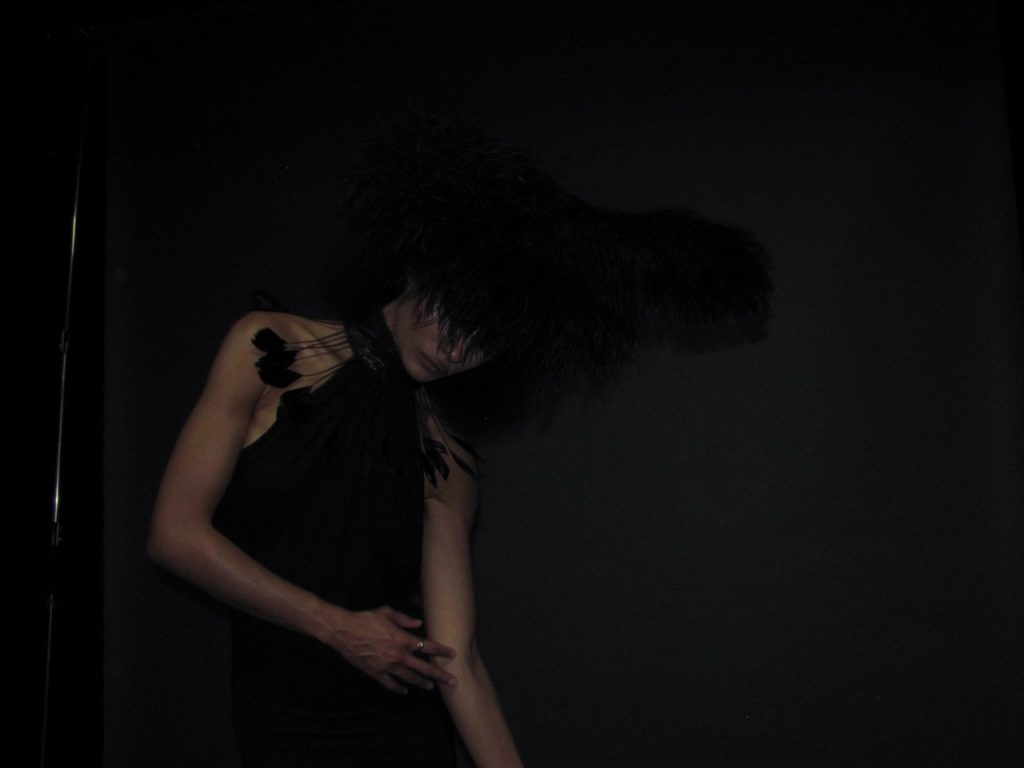
- WIFE Photographed by Kimberly Baldo
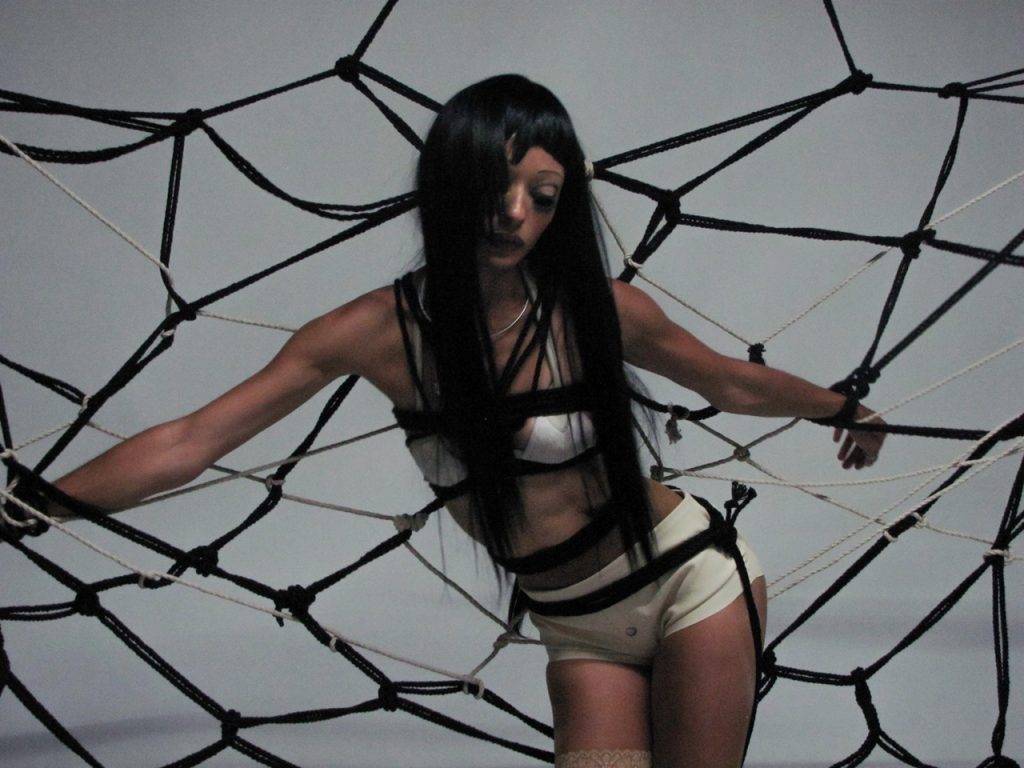
Reserved Magazine: Do you believe that music finds the artist, or that the artist returns to music when the world becomes too heavy?
WIFE: I think music and artistry are predestined. I’m certainly not the first to say this, but I felt like a vessel chosen for this music to be birthed from. Yes I wrote everything myself based upon my very real experiences, at the same time nothing is singular. When I listen back to the album I have a sense of knowing this is what my whole life led up to. I am grateful to share this gift with others, to help them feel less alone in their own lives. Creating these songs, I had to take the emotions I had inside at that time and turn them into something beautiful. That saved my life.
Reserved Magazine: Having lived multiple creative lives as a singer, model, what do you think these shifts reveal about the nature of identity itself?
WIFE: To me, identity is ever-evolving. One is constantly discovering deeper parts of your true nature, just peeling back the layers of oneself to reveal what’s always been at the core. After working in the music & fashion industries, I’m grateful for my time in both. Modeling taught me a lot about self-confidence, standing firm in your values, as well as not allowing anyone else to dictate the standard of beauty for you. As a teenager, singing showed me the importance of having a safe work environment, and staying true to your dreams while maintaining self discipline.
Reserved Magazine: What role does beauty play in your life now, both as something you’ve modeled publicly and something you’ve redefined privately through trauma and resilience?
WIFE: I’ve learned to remember that ordinary, everyday moments are beautiful. Stability is beautiful. I used to find great pleasure in the simplicity of routines, self care, stillness—which I have found again. While recovering from trauma these things hold true: realness is beautiful, self-compassion is beautiful, releasing shame is beautiful, recovery is beautiful.
-
- WIFE Photographed by Kimberly Baldo
-
- WIFE Photographed by Kimberly Baldo