

Metallic for the Millenia
Nikita’s Debut Reinvents Nostalgia
Long after the gears of Fashion Month have ground to a halt and we’ve shaken the frost of last season from our collective consciousness, the thumping bass of LUME Studios still echoes in my ears. DJ SHARF mixed the soundscape against which Nikita Hoehn’s Fall/Winter ‘26 collection was set, the optimistic pump of the track signaling the birth of her brand. NIKITA commands the audience in its first collection’s title: EAT ME. LOVE ME. FEAR ME.
-

- Photo courtesy NIKITA.
-
- Photo courtesy NIKITA.
-
- Photo courtesy NIKITA.
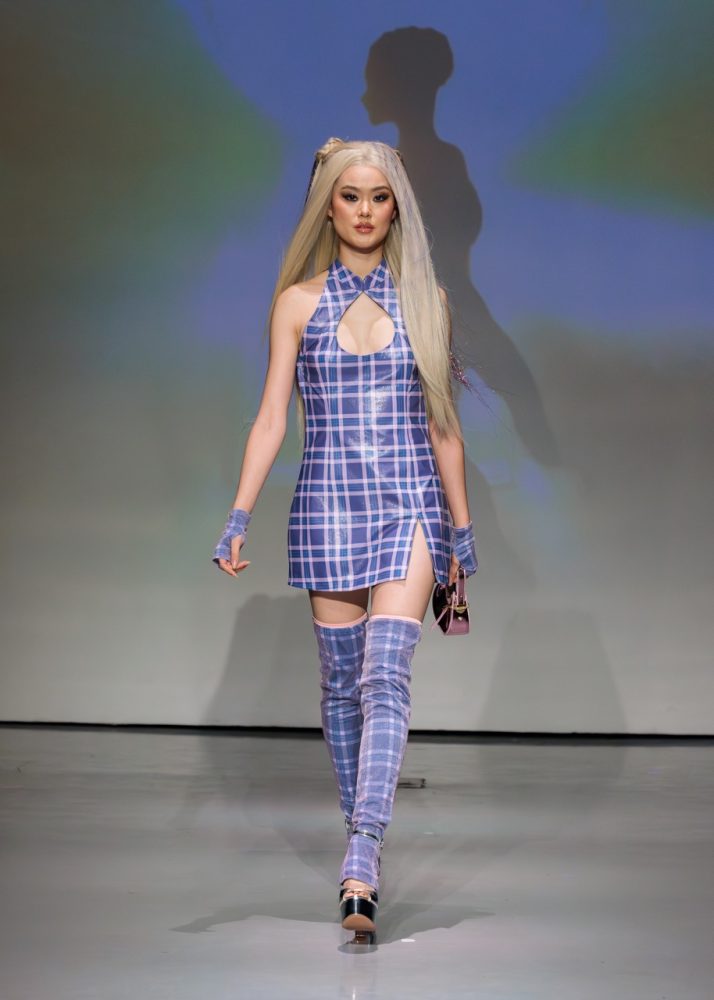
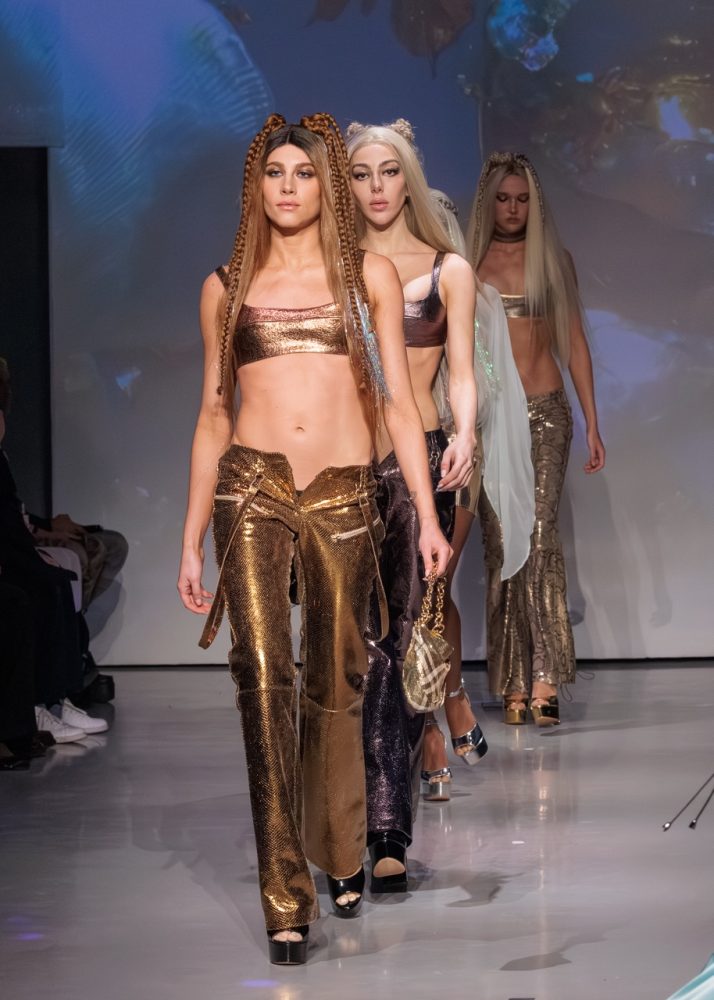
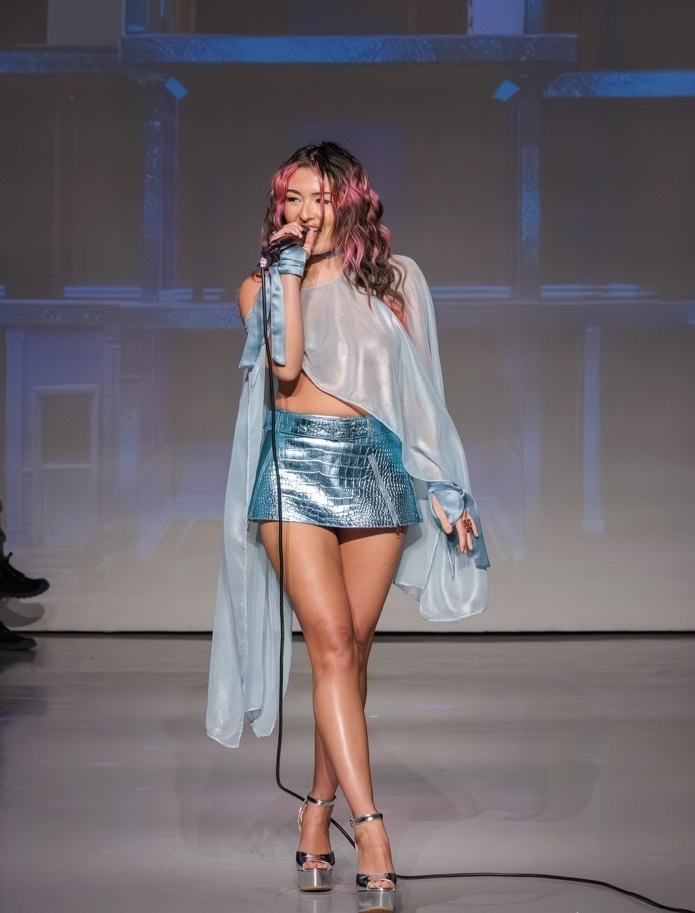
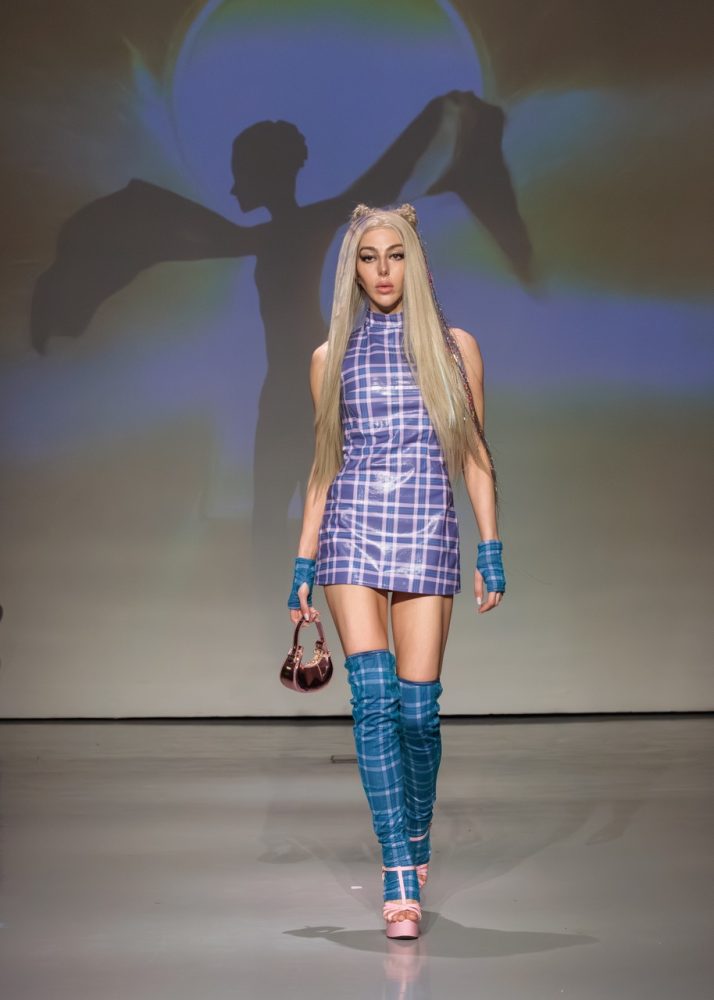
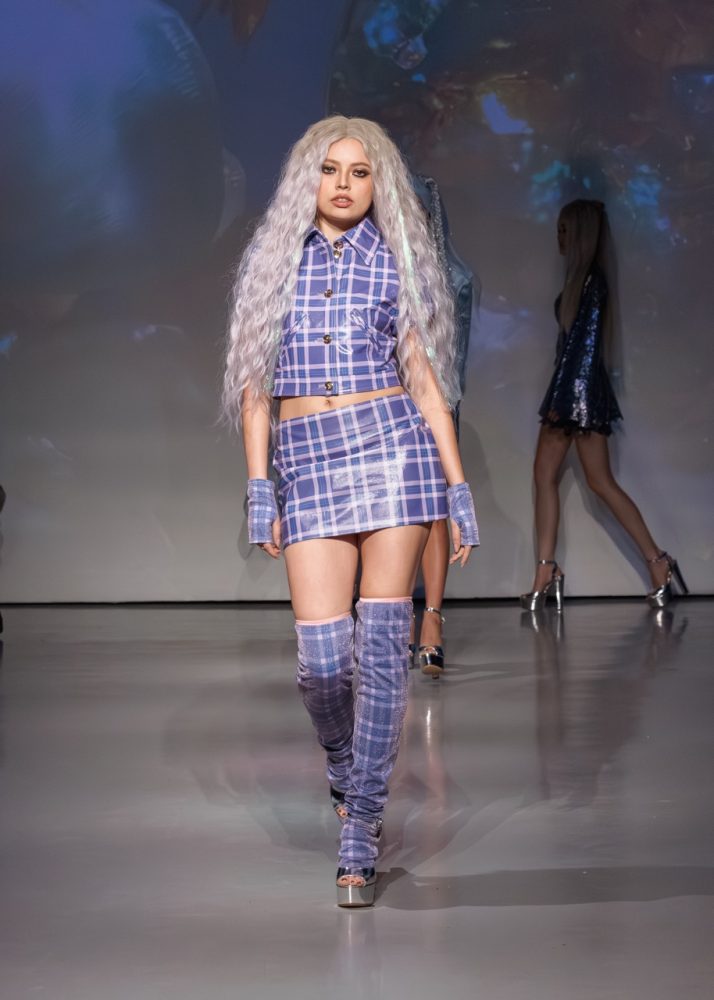
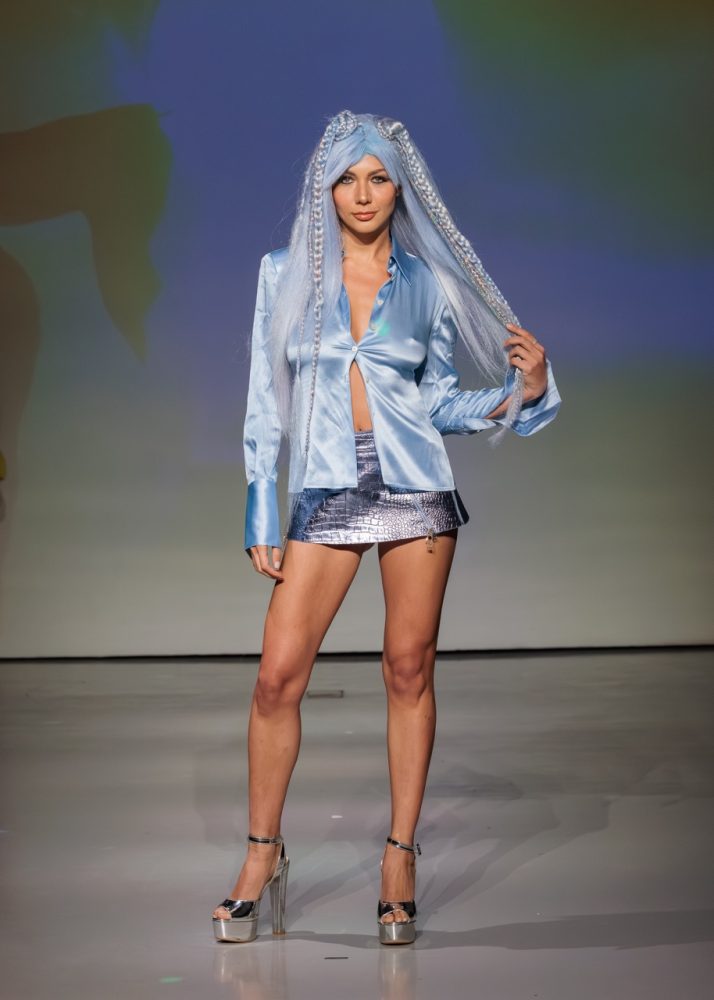
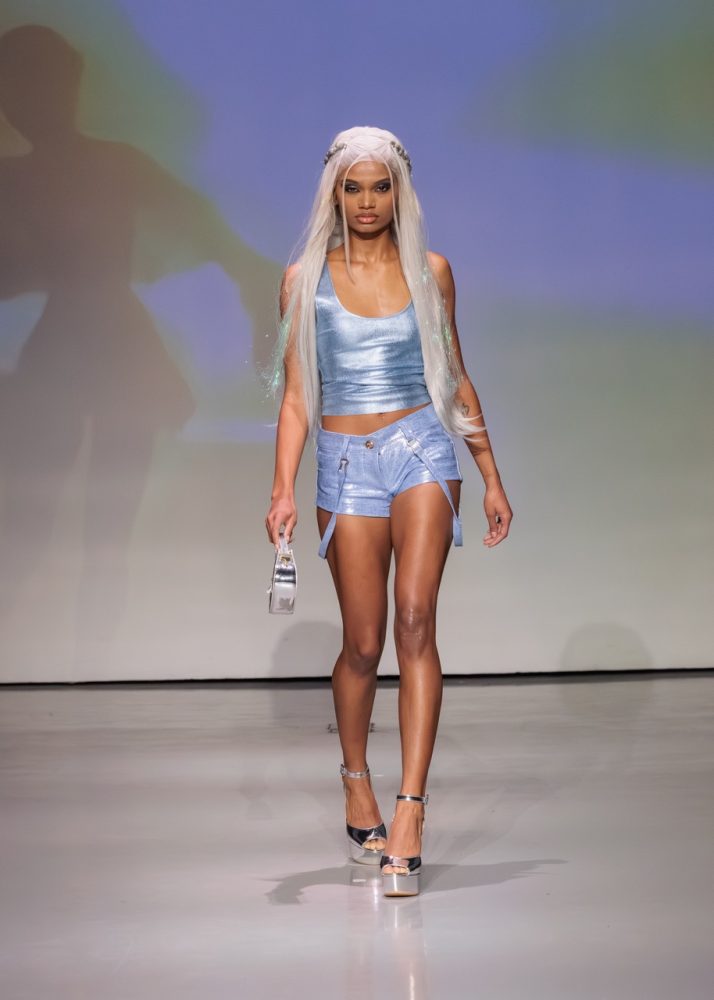
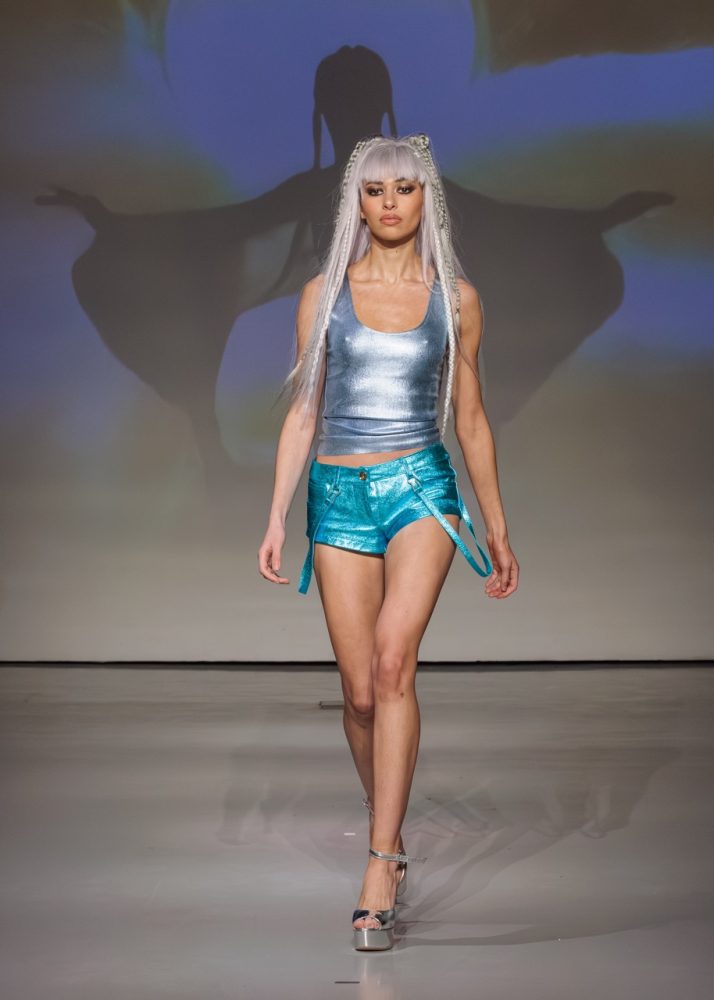
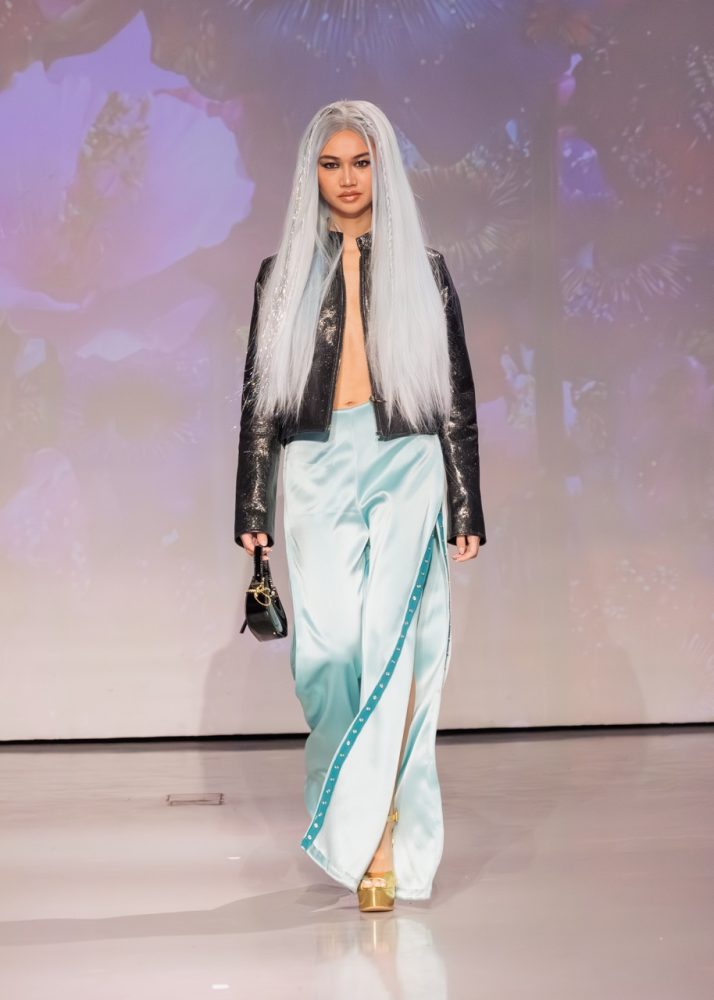
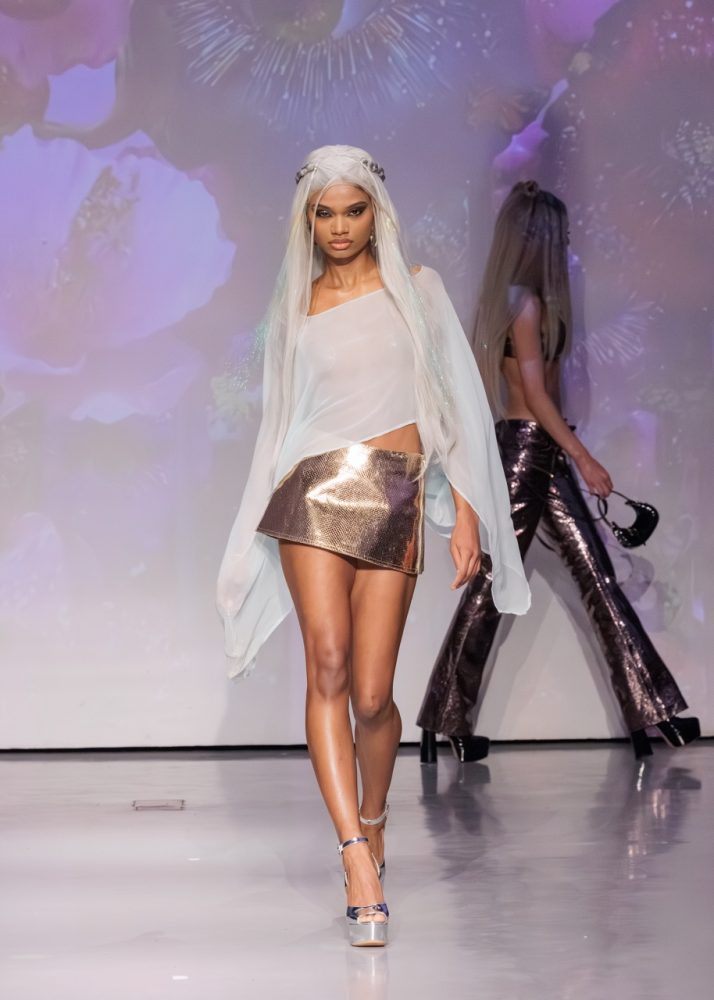
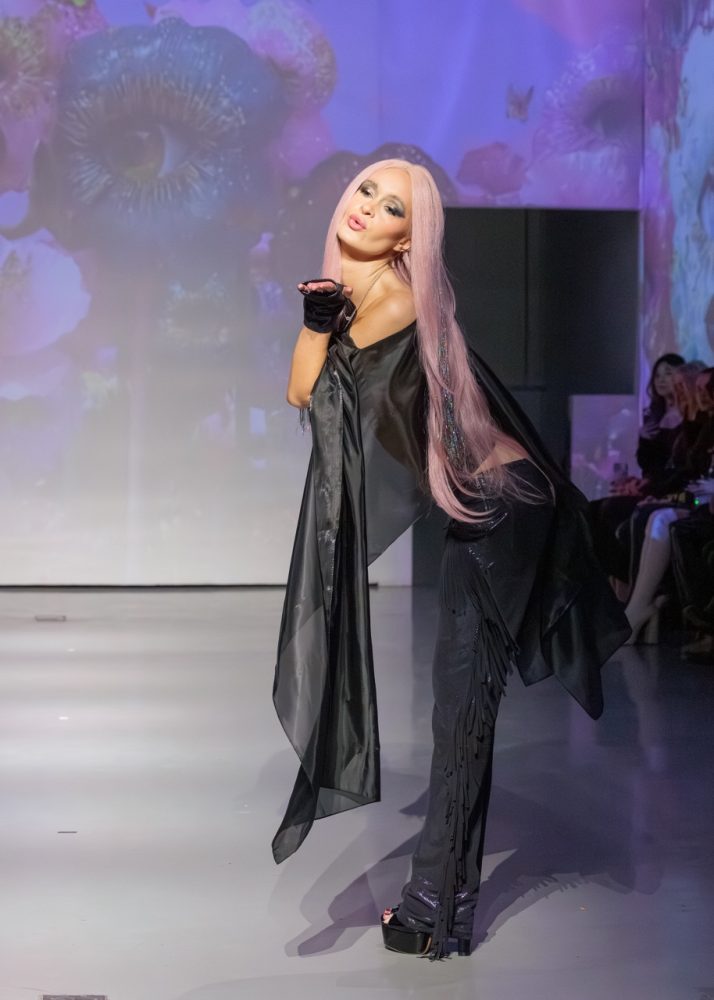
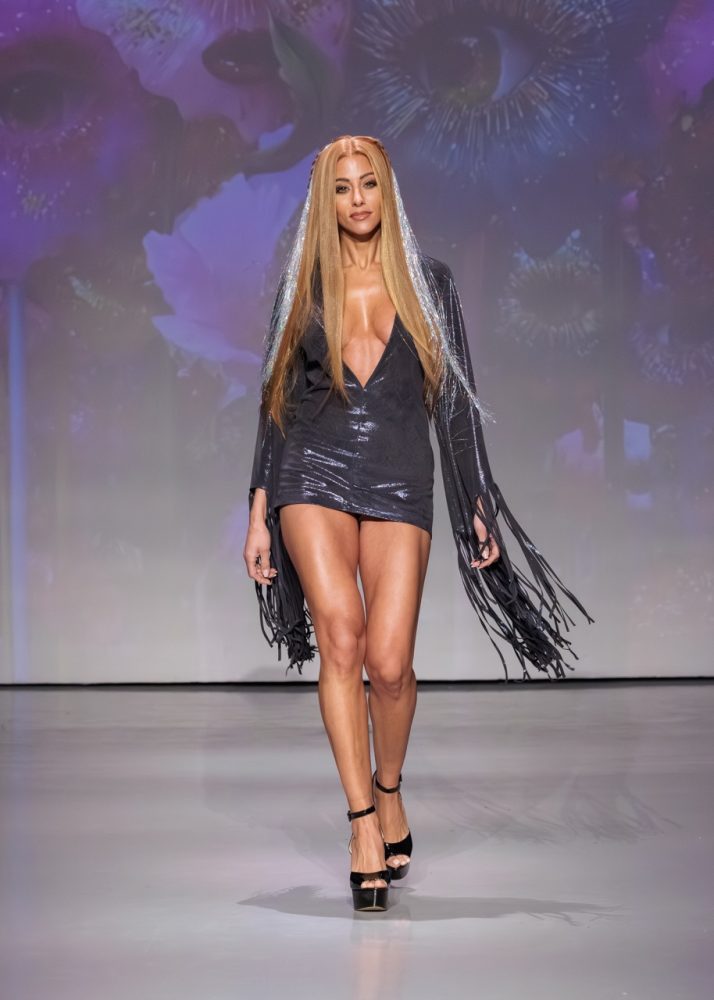
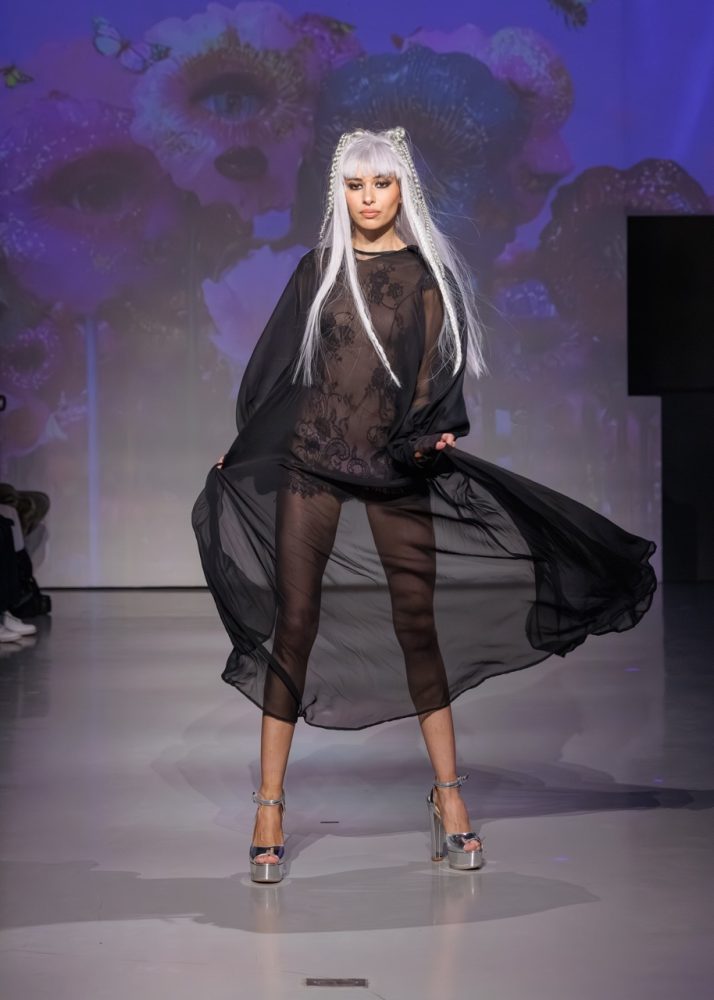
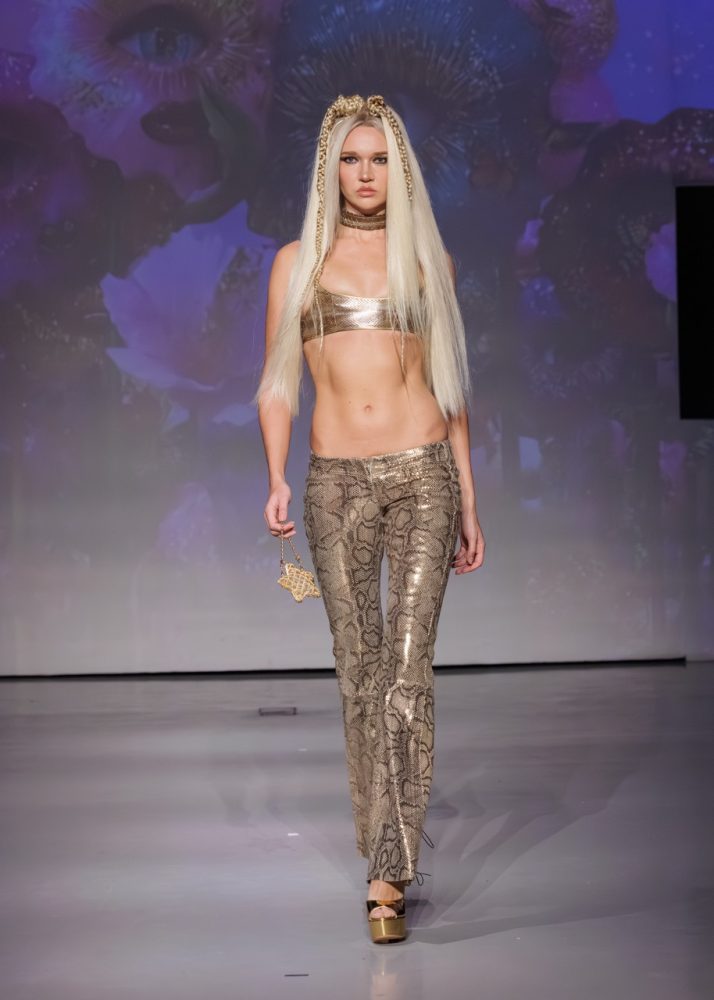
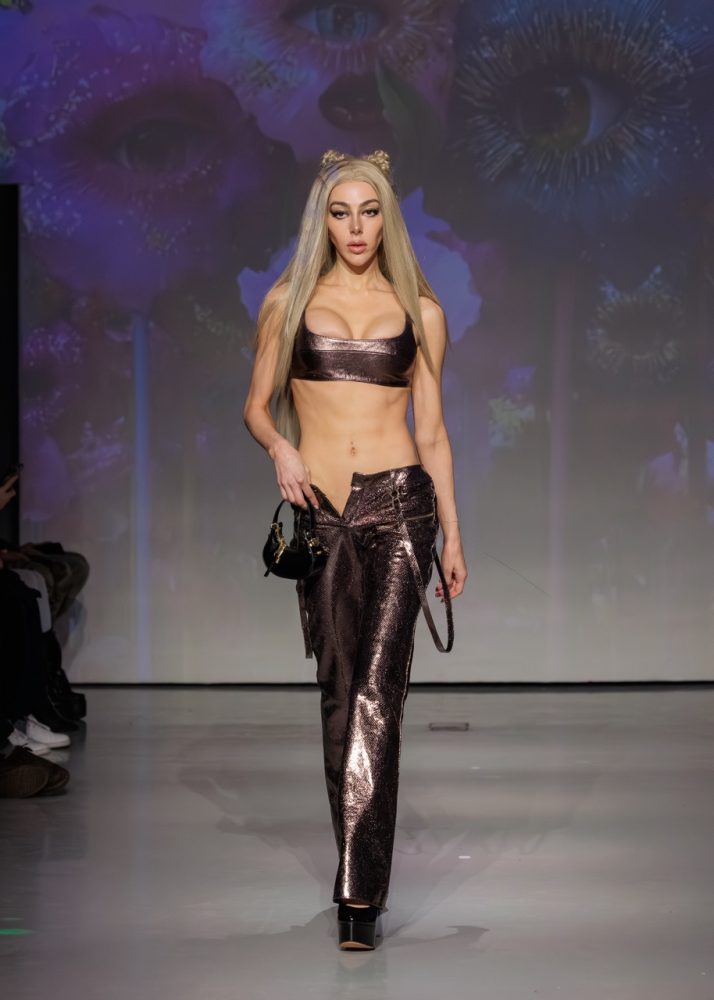
Models capped by cotton-candy hued wigs (courtesy of Wigbar) sashay indulgent lambskin and sumptuous silks down a glossy catwalk. Hoehn describes the Italian-designed debut as a study in light, presence, and performance. Supple leathers hug models’ physiques, cut just low enough to cause questions over whether you’ve glimpsed something you shouldn’t. Fringe lines sleeves that dare to sweep the floor, while turquoise blue micro-shorts shine beneath a simple silver tank. Metallic flares, fly left unzipped in invitation, graze the catwalk, elevated perilously by patent platforms and topped simply by a scoopneck bra of the same fabric. The ensembles are sparsely accessorized, if at all, as the pieces megaphone their message without needing an assist. A surprise closing performance by Chi Chi unveils the vocalist in a diaphanous poncho, worn sheer in shimmering cerulean, adding liquid movement to the collection. Inarguably, Hoehn’s garments are a rebellion against conformity. NIKITA insists we deserve glamour now.
-
- Photo courtesy NIKITA.
-
- Photo courtesy NIKITA.
-
- Photo courtesy NIKITA.
With culture seeking escape as we were during Y2K’s dawn— bogged by war, economic peril, and a general sense of nihilism— the resurgence of the turn-of-the-century bimbo-fied fad as it anchors itself in Nikita’s DNA reaches far beyond the runway. During this year’s winter Olympics, American gold medalist figure skater Alysa Liu— poster child of aesthetic revolution, reeling against the ordinary— took to the games’ Exhibition Gala ice with a performance to PinkPantheress and Zara Larsson’s “Stateside”. The poppy bop’s lyrics and visual direction are an ode to the early 2000s, as is much of Larsson’s styling— championing girlhood’s idea of how an empowered, feminine woman would live her adult life. In my vision, “Stateside”, Liu, and NIKITA’s debut collection all exist in this same universe— catching transatlantic flights, answering the call of a schedule booked full of former daydreams, all the while in a lustrous pink mini.
-
- Photo courtesy NIKITA.
-
- Photo courtesy NIKITA.
-
- Photo courtesy NIKITA.
-
- Photo courtesy NIKITA.
-
- Photo courtesy NIKITA.
-
- Photo courtesy NIKITA.
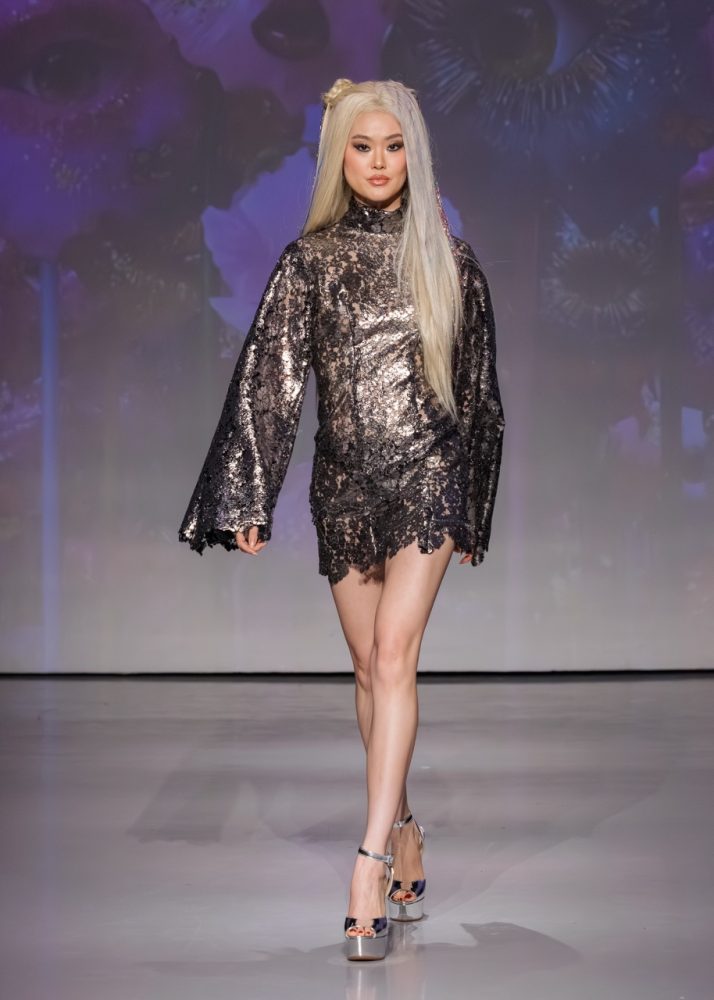
The NIKITA world is an Anora meets Ex Machina crossover of womanhood’s embodiment under the female gaze. Attention is demanded, controlled by the wearer, and maintained by the garments’ electric indulgence. Above all else, NIKITA constructs this dreamland as a sustainable one, fashioning with continuity and material integrity at the forefront of the brand.
Y2K’s reemergence in our wardrobes may have begun as evasion of the mundane, the rising generation’s nostalgia commingling with their newfound ability to embody former idols, but NIKITA promises the brand’s centering of liberation is no fleeting trend. Cast beneath the light of the current international climate— politically, culturally, environmentally— Y2K reanimates a time where society responded to the seedlings of our contemporary plagues with shiny things, the root of aspiration for many young individuals. Now that we’ve arrived to adulthood in similar straits, we reach for those gleaming creature comforts with new vigor, uniforming ourselves as the very idols that promised life could be this glittering. Hoehn assures, it can. Club culture resurges as Gen Z shifts attention offline, rejecting slop and embracing authenticity. NIKITA is borne unto the world as the livery of these ripe visionaries, promising cultural longevity as a cornerstone of her design.
-

- Chi Chi Photo courtesy NIKITA.
-
- Photo courtesy NIKITA.
-
- Photo courtesy NIKITA.
-
- Photo courtesy NIKITA.