

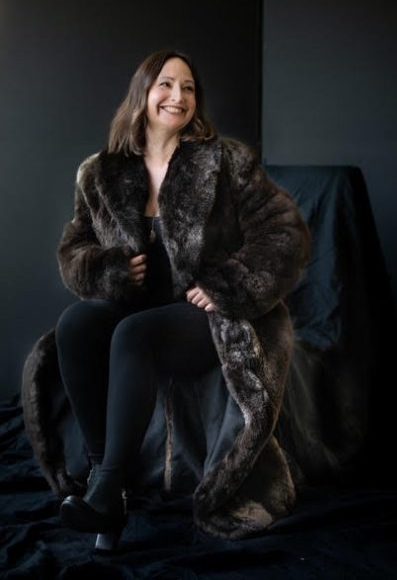

Forging in Mettle: Jennifer Younger Galvanizes Native American Visibility through Adornment
In little more than a decade, Jennifer Younger has charted a course to the heights of the design world, carving a trail for the next generation of Indigenous creatives. With Jennifer Younger Designs, the Alaska native modernizes traditional Native craftsmanship while honoring her heritage. Reserved Magazine sits down with the artist and jewelry designer to discuss innovation, resurfacing one’s roots, and what comes next.
RM: What brought you to where you are today?
JY: Oh god. How much time do you have? I always feel like that’s such a loaded question.
RM: I know.
JY: How far do you want to go back? My grandmother, who was Tlingit, her childhood was during the time that a lot of Natives were being put into the boarding schools, taking them from their homes and teaching them the non-native ways. My grandmother was put in a boarding school at a very young age. Growing up, she didn’t speak the language, she married a nonnative man, and they raised their kids without any influence of her Alaska native heritage. As I grew up, I was always proud of my heritage as far as being part Tlingit, part Slovak, part Polish. It was always intriguing to me to learn more about different parts of my heritage. My other grandparents always spoke very openly about it and I didn’t feel like there was much of a disconnect. In my young adult life I realized, “Wow, my Tlingit grandmother never talks about it. She never speaks her language, I never hear her take pride in who she is.” That stuck in the back of my mind.
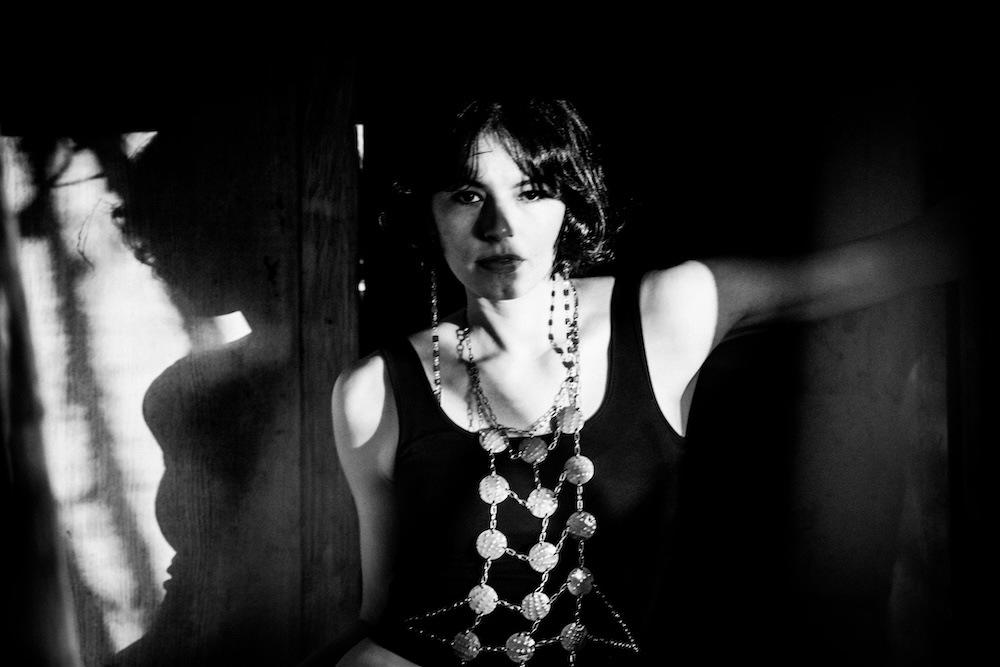
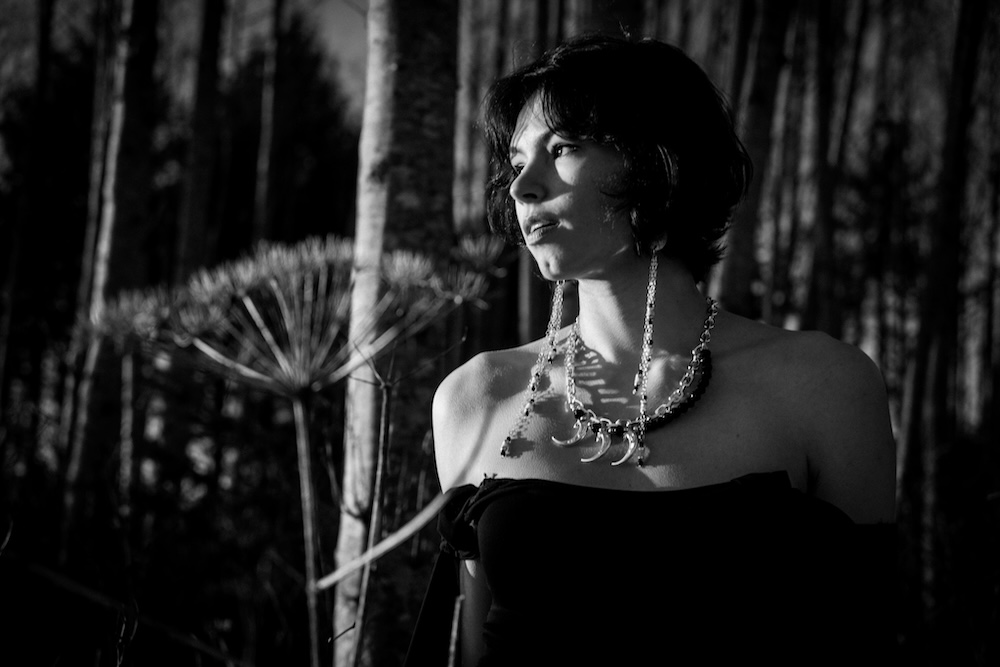
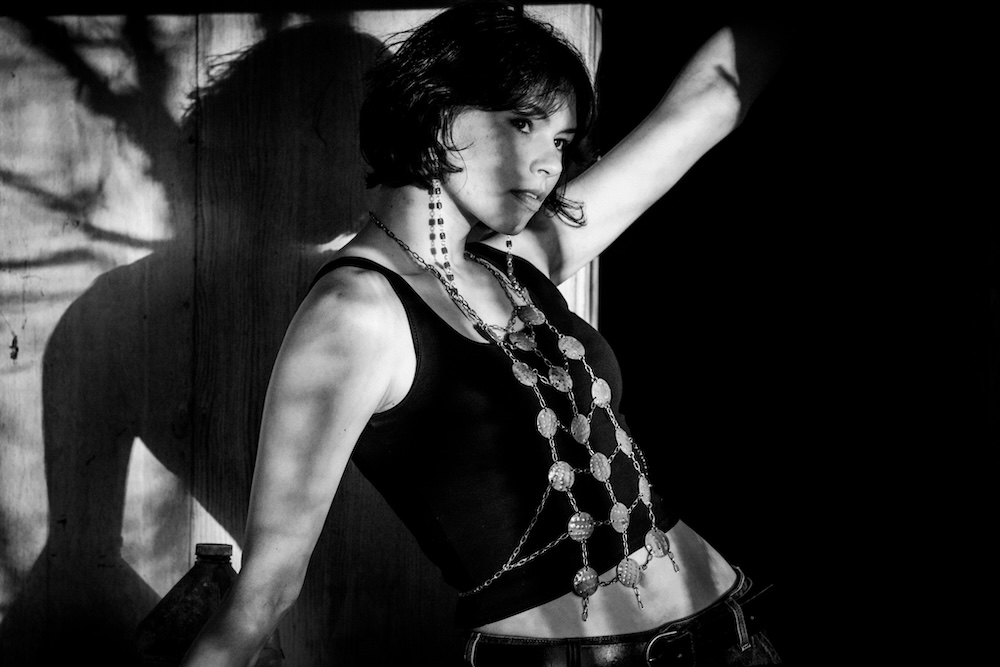
Combined with that, I’ve always been into art. We grew up without electricity. One thing my mom always did to keep us busy was to have us draw. It was either: go outside and play in nature or an arts and crafts kind of thing. I always felt such a connection to some sort of art, but at that time, for me, if I was going to be an artist I was going to be a starving artist, not have a career as an artist. When I got out of high school, I never knew what I wanted to be when I grew up. In my twenties, I always had a job and paid bills, but it was working at a bank, or working at a hospital. I had a 9 to 5 income and that was great, but I felt lost. I never found something I was totally passionate about. I liked working with and helping people. As I got into my thirties, that’s what I started reflecting on— being in Southeast Alaska and surrounded by the Tlingit culture, but not a part of it because it’s not taught. I wanted to do something that would honor my grandmother and carry on that part of me and my family. I tried spruce root weaving. That’s something my mom did very well. The tribe of my ancestry was known for their spruce root weaving. That kind of art form has died out quite a bit. I don’t think anyone in our hometown was weaving anymore, so that’s something my mom wanted to revive. I tried it and…. it’s a lot of work (laughs). It was one of those things where I tried something and I was like, “Ok! I tried it. Moving on.” I still can weave, but I didn’t feel that creative freedom within that medium.
Around 2012, I applied for a small grant where a master artist would teach you their craft over the course of two weeks. Nicholas Galanin, who is an amazing multi-disciplinary artist from here in Sitka, agreed to teach me metalwork and engraving. He was amazing and, beyond the two weeks, adopted the philosophy of “once an apprentice, always an apprentice.” I had no idea where it would go or how much I would like it. I still had so much to learn about formline design, which is what I like to incorporate into my pieces. I thought I had to do what came before, what the other metal carvers were doing. I looked at artists who produced a lot, putting out the same things that they sell to tourists every year. It felt very limiting. I thought, “Am I just copying what they’re doing?” But, I really wanted to make jewelry.
I was working with Dave Galanin, Nicholas’ father, who told me, “You can do whatever you want. Just make sure you do proper formline design. You can do it abstract, but follow the certain rules of flow and balance.” I remember when he told me that, it was an ‘aha’ moment. Ever since then, I’ve been really obsessed, and I mean that in the best way possible. We bought this house so I could have a workspace, because up until four years ago I pretty much worked in my dining room. I would hand-file everything. Now, I’m out in my tiny little single-car garage-workshop. Initially, I thought this whole space would be mine, but now it doubles as luggage storage and a bike rack (laughs). I love the opportunity to travel, to meet other people, other designers. Aside from that, being out here in my little shop space is my happy place.
I didn’t start doing this until I was forty. On one hand, people ask if I wish I had started way younger. I feel like every job I did up until doing this prepared me. Working in administrative stuff taught me organization and how to take care of my paperwork. When I’m self-reliant, it’s a lot of work.
RM: Explain the process behind your pieces.
JY: Oh boy. I look through a lot of books and artifacts, and I thought, “I’ve never seen a formline spider.” I mentioned to Dave that I wanted to create that, which sparked that aha moment for me! Having that freedom to create, along with that has come— and I feel very fortunate about this— custom orders. People come to me for my style and entrust me with design. That has been the most gratifying thing.
What makes this so enjoyable for me is I can come out here and I work with copper, silver, gold, brass. I incorporate my spruce roots I’ve had for fifteen years, all that hard work finally paying off. I really like working with copper the most personally because of the different patinas and the different colors. I like that organic-ness. A lot of my stuff is not fine jewelry. I like this bold, rustic style. It’s what I’m drawn to. When I come out here, I just kind of look around. Sometimes, I have specific orders I have to get out, but other times it’s more about “What am I feeling right now?” I’m so grateful for that. You’ve probably heard me say a million times how grateful I am, but I feel so lucky! I’m able to just play for my job.
I have worked with the Herring Protectors in helping design and create robes. That was another really cool thing that happened, after feeling disconnected from the Tlingit community. I am an eagle. In Tlingit, there are two moieties: eagle and raven. They’re opposites, and usually you go to your opposites for help for something, to simplify it. The Herring Protectors are raven and they asked me, as an eagle, to design for them. That was a huge honor. I thought my grandmother would be proud. I hope.
When we work in art, maybe I’m good at making jewelry, and someone else is skilled in delivering a message to a crowd. That is not my strength, but if I can create something with my art that can help draw attention, I feel really good that I can help in that way. Currently, these robes have been on tour to different museums around the U.S. I feel like I can contribute somehow. I’m proud of that.
RM: How far do you feel indigenous representation has come? How far must we still go?
JY: I really do think about that quite a bit. Having been doing this since 2012, I’m an optimist. There’s still a ton of work to be done. I feel in the past ten years, though, we have come a long way. I don’t really know how to gauge that as far as explaining it. From what you see on the red carpet, or in film and music, we’ve come a long way. One example would be Santa Fe Indian Market. I did that market early on in my career. There are maybe 1,000 artists there, and at the time, there were maybe 5 Northwest Coast or Alaskan native artists. Now, there’s 100. They’ve opened up and become more inviting even just within our indigenous community. We’re all coming together and uniting in sharing our work and sharing each other’s work.
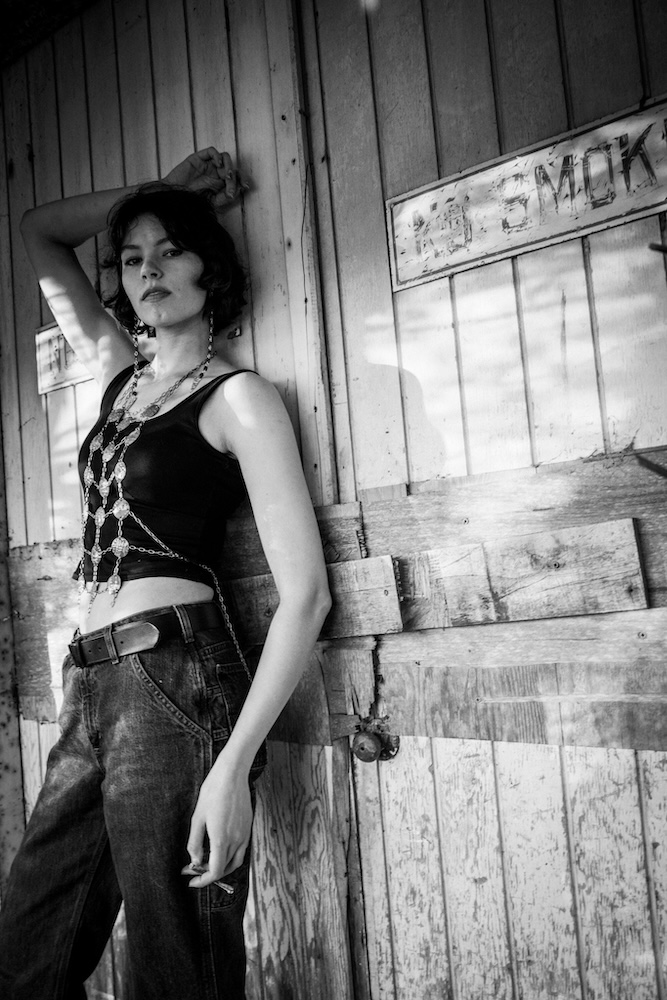
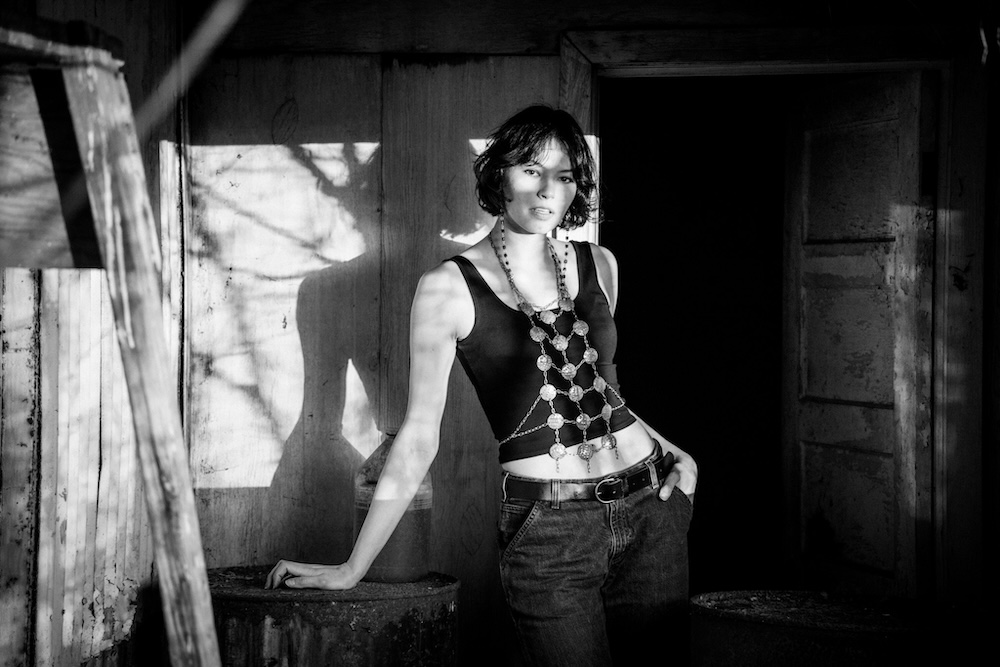
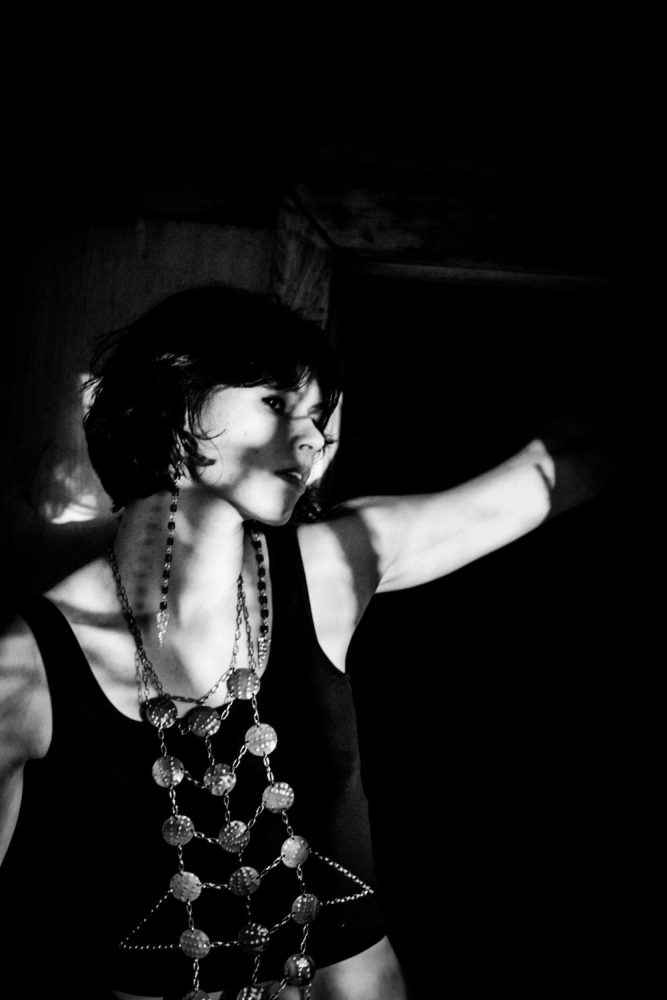
There’s still a ton to be done in the world of appreciation versus appropriation. That may be something that we’re dealing with forever. That’s what I have on my mind now. How can I raise more awareness? Maybe it’s doing a photoshoot where there’s a non-native person wearing something by me. It doesn’t have to be native made for native. I would love to share and have non-native people appreciate what I’m doing. But, I understand why a lot of people are shy about that. I think people are even afraid to ask, but they shouldn’t be! The fact that they’re asking shows they care. It sounds simple and seems like it should be, but it’s not always.
RM: How did you become involved in the Killers of the Flower Moon press styling?
JY: Yes! Boy, that was very unexpected and random, but it was pretty awesome. The way I can summarize it is I’m not afraid to ask. I have made some of the best connections via Instagram. I met Kelly Cutrone. She was asked to produce the Yamaava Fashion Days and wanted me to be a part of that. Fast forward, the stylist who was styling Lily for Cannes had heard of my work through that. I get an email that the fitting was in Vancouver in two days, so I flew with the pieces there. She and her team are really incredible, kind people. They used pieces throughout that week, which was really valuable exposure.
RM: What’s next for you?
JY: I’m drawn to big and bold. I like art and sculptural stuff. I have the Indigenous Fashion Art runway show in Toronto at the end of May, so I’m working on statement pieces. I’m working with a seamstress to have my own garments made for models to wear underneath, so that everything is cohesive and creates a nice backdrop for the piece. This will hopefully be the best one yet! It’s important to me to help continue the conversation about appreciation versus appropriation. Hopefully, the father I reach, the more people can come to appreciate formline design. We have so many amazing painters and artists in the Northwest. I feel like it’s my little part to help draw people in and learn more. Make this next generation proud!