The Nigerian alternative artist discusses how his global sound translates the human condition
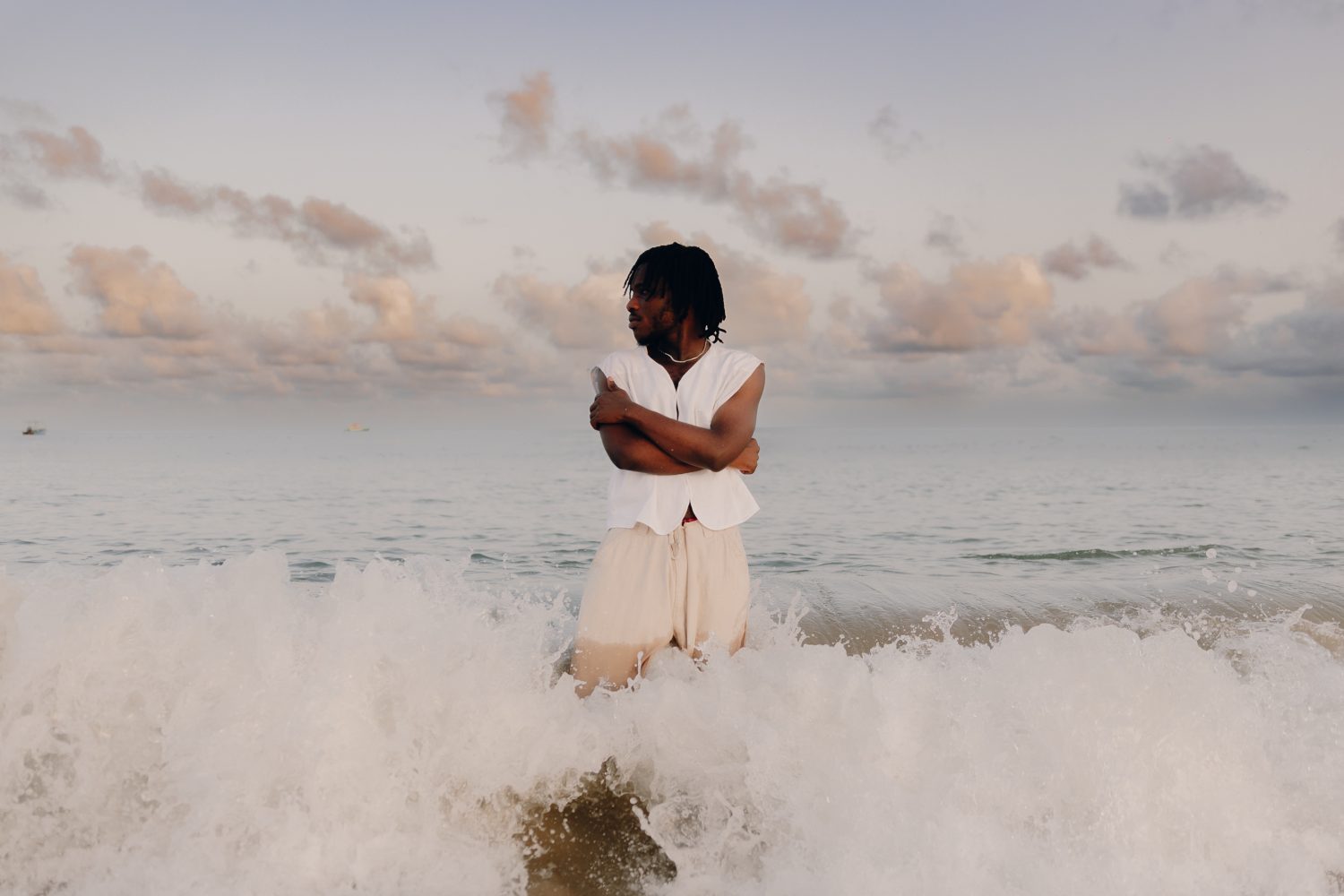
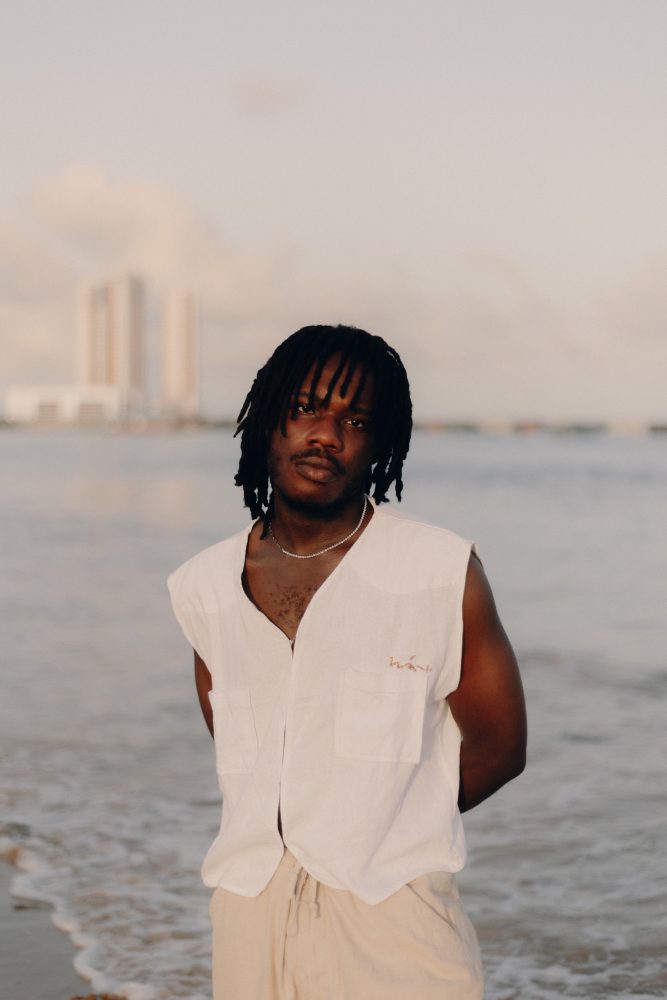
Self-taught across genre and instrument, Braye is turning worldwide attention toward the Lagos music scene with his divergent composition. Rich ballads and acoustic arrangements draw inspiration from cross-generation greats (Amy Winehouse, Bob Marley, Ray Charles), straying from Nigerian rhythm’s typical fixation with wealth and women. The vulnerable lyricist pens poetry to a beat of his own making— an ode to his early literary ambitions. As Braye steps into the release of his most ambitious project yet, the rising star reminisces with RESERVED on a half decade of sonic exploration and intentional craftsmanship.
Delaney Willet: Your latest EP, ‘Love Stray’, has listeners awaiting your album release with bated breath, a record five years in the making. Take me back to where this journey started for you.
Braye: I had a very strong interest in literature from a young age— writing stories and Julius Caesar and Macbeth. My dad would show us those films, and we’d read Bible stories a lot. I sang in church growing up, but I never thought I was going to be a musician. In high school, I was influenced by some friends to write raps. Suddenly, I’m writing lyrics all the time, and then it became something that was part of me.
DW: Walk me through that decision to pursue music professionally. What made you take that leap to move to Lagos?
B: I finished college in 2018. I was home, not doing much, but planning on getting my master’s degree in instrumentation engineering. The application was taking so long, and in the meantime I was making music every day— finding new genres, and writing new songs. At some point, I felt like leaving home and figuring things out for myself. I stayed with my sister for seven months. In that time, I did nothing but write songs, listen to music, sing, and take walks. I came to Lagos in August 2022. I came here, and met people interested in helping me.
DW: How has your creative process evolved since arriving in Lagos?
B: When I first came, I had issues working with other people. Before, I was solitary. I would go to YouTube, download a beat, write a song. That’s what I knew. When I picked up guitar, I started playing chords and writing to those chords. I had an identity developed for my sound. Inviting people into that process was difficult at first. I am more grounded in what I want to do, and I know better what I want to say now that I’ve learned how to work with others. There’s still much for me to learn. The project I’m currently working on is the biggest body of work I’ve done so far. I am very intentional about the sound, lyrics, and character of what I am making right now.
DW: Tell me more about how this project came to fruition.
B: I had a title for this project and some songs before I came to Lagos. The titles span from 2021 to 2026. This is the most me that I have been in my music. I’m blending different styles, genres, and influences. At this point, I’ve listened to more American music than any other kind of music, but there’s still Nigerian influence in everything I do. There’s no formula. If I make something and think, ‘People have to hear this,’ then that’s when I know it’s time to release.
DW: Do you feel like there’s a palpable evolution in your sound? Can you sense that morphing of your influence and life experience over the past five years as you mix this album?
B: Maybe I’m not the right person to see that. I know what’s going on inside me, day by day. I don’t notice the changes as much. Sonically, I’m more expressive and emphatic with my ideas. A very important thing for an artist to have is a hunger to learn. That’s what builds your taste, and I want to invest in my taste. I like to expose myself to other forms of art. I’m always trying to capture the human condition in songs. I read literary fiction from America and from Europe, and relate so much to it. I grew up in Nigeria, so there’s something really strongly human about being able to connect to those stories. They are a mirror for me, and I want to make that for others, too.
DW: There are so many bridges built in your sound and lyrics between American music, Europe, the UK, and Nigeria. How do the wants and tastes of this global audience differ as your influence expands?
B: In Nigeria, most people want to dance, they want to move. Elsewhere, they care more about lyrics. Here, people do care about the message, but they want to hear something familiar. Anytime I do something solely for my own selfish benefit, it comes back to bite me in the ass. I always assign a service mentality to my work, like a music custodian. My aim is to share something with the world that goes beyond, ‘Oh, I’m talented.’ I want to encourage human communion. You could write five songs a day without thought. I’ll make one in a month that I feel really speaks to me.
DW: Your album is bound to release any day now. Tell me what’s next for you: concerts, touring, more writing?
B: I want to finish this project as soon as possible. I’m taking it one step at a time. I’ve taken up instruments: guitar, keyboard, trumpets. I was listening to jazz for a year or two, and then one day I decided I was going to buy a trumpet and teach myself. My dream is to improvise on stage. Recording my own chords gives me a chance to be more creative. I want to explore in the studio, to make something that means something. I recorded everything myself, here in my home studio. Then I take it to my producer, for the second opinion that makes the music as good as it can be.
DW: Is there anything else you can reveal to us?
B: The title: We May Need More Light. All this misery, and all this pain— there’s a reason why we don’t understand where it comes from. We need more light in the world. That’s the meaning of the project, to me.
DW: No matter the inspiration, your message is so universal.
B: Before I decided to make the music that I’m making now, I was really interested in literature. I wanted to write stories. I used to tell my friends, ‘I’m not going to be a musician.’ I struggled with the idea of being a Nigerian musician and a literary mind. Most Nigerian music is very egocentric. Every time people hear you’re a Nigerian musician, they profile you. One of the reasons I am very proud of what we’ve been doing so far is the fact that we have continued to be as genuine and authentic as possible. I’m doing global, cultural work. I’m not here to make music to form a character. I have a dream. I’m working toward it.