


-

- Photographed by Photographed by Annie Noelker.
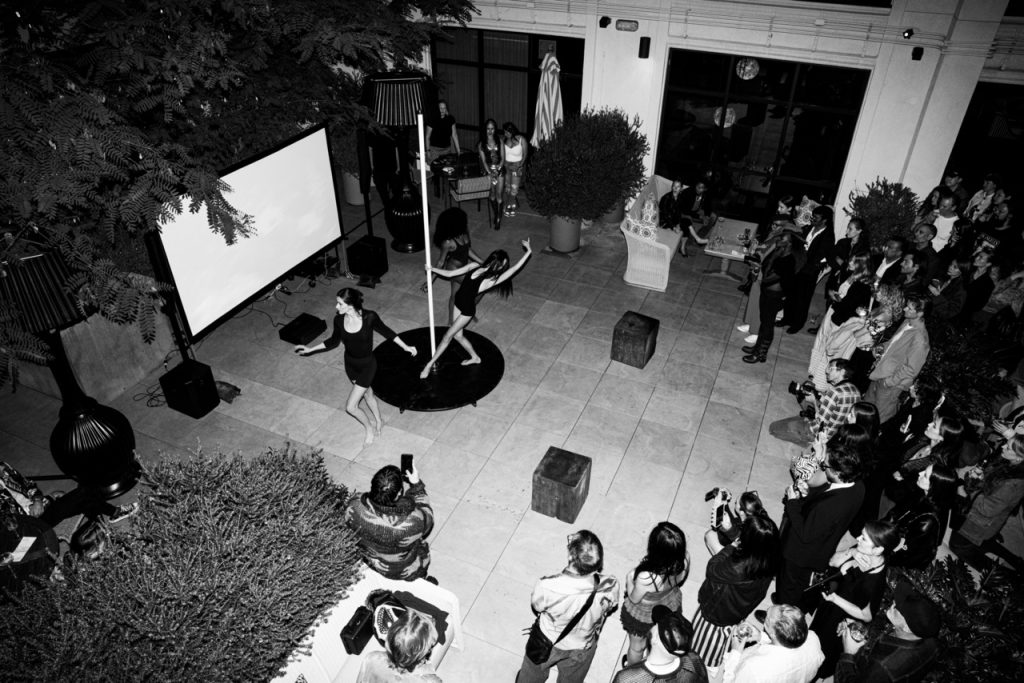
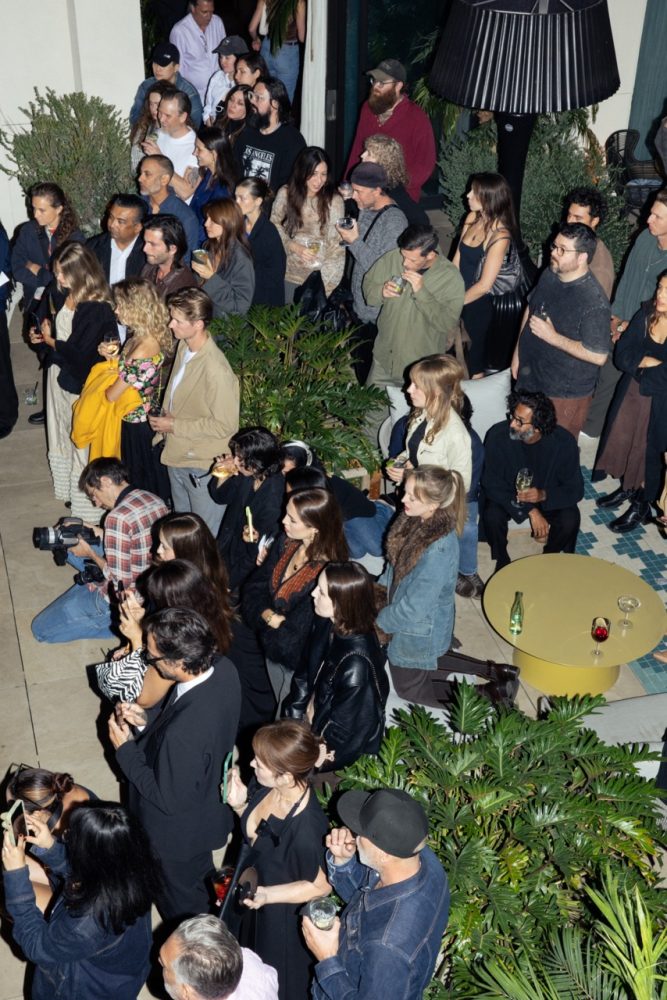
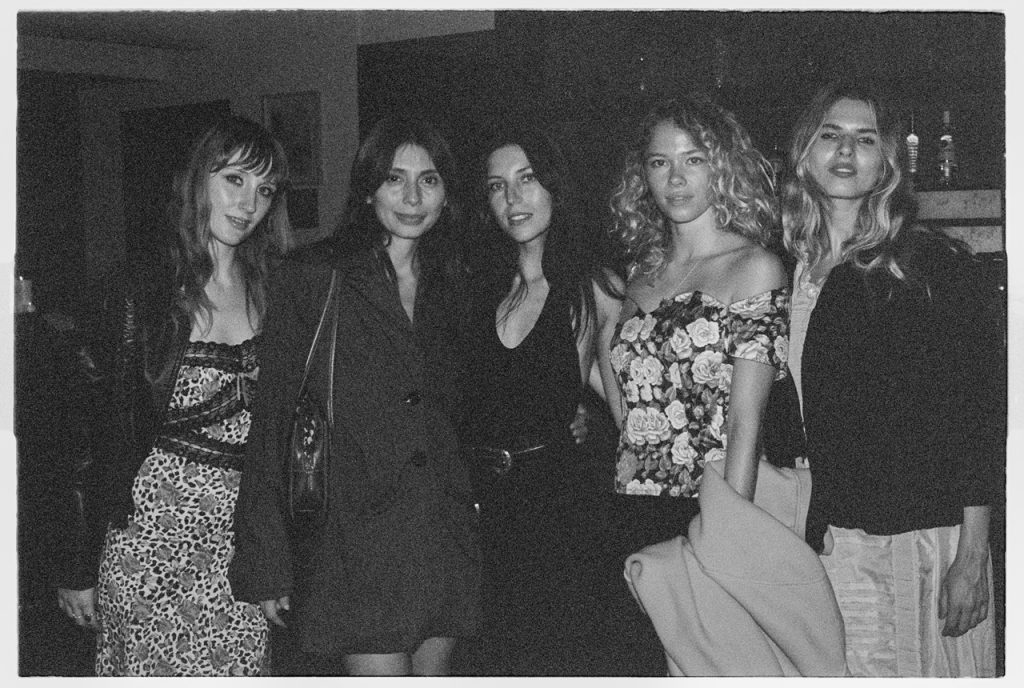
At Aster Hall IV, multidisciplinary artist Avery Wheless presented Murmur, a performance that expands the ongoing Aster Art Initiative—a program conceived by artist Nora Shields in partnership with The Aster to foster experimentation and site-specific presentation within the hotel’s corridors. For its fourth edition, Aster Hall brought together Bjorn Copeland, Mike Chattem, Avery Wheless, Dana Boulos, and an additional performance by Maddie Lacambra from Empara—all Los Angeles–based artists whose practices traverse abstraction, figuration, and multidisciplinary installation and performance.
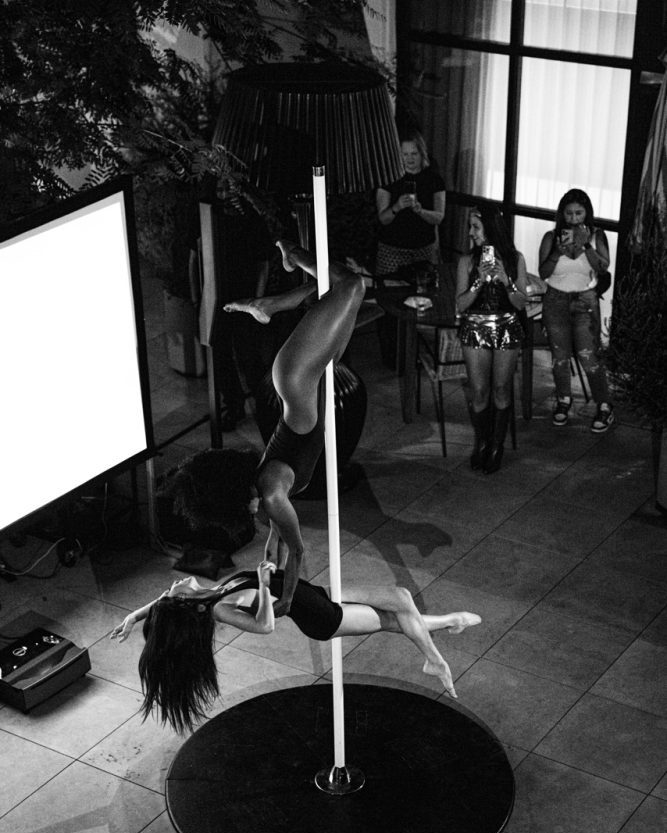
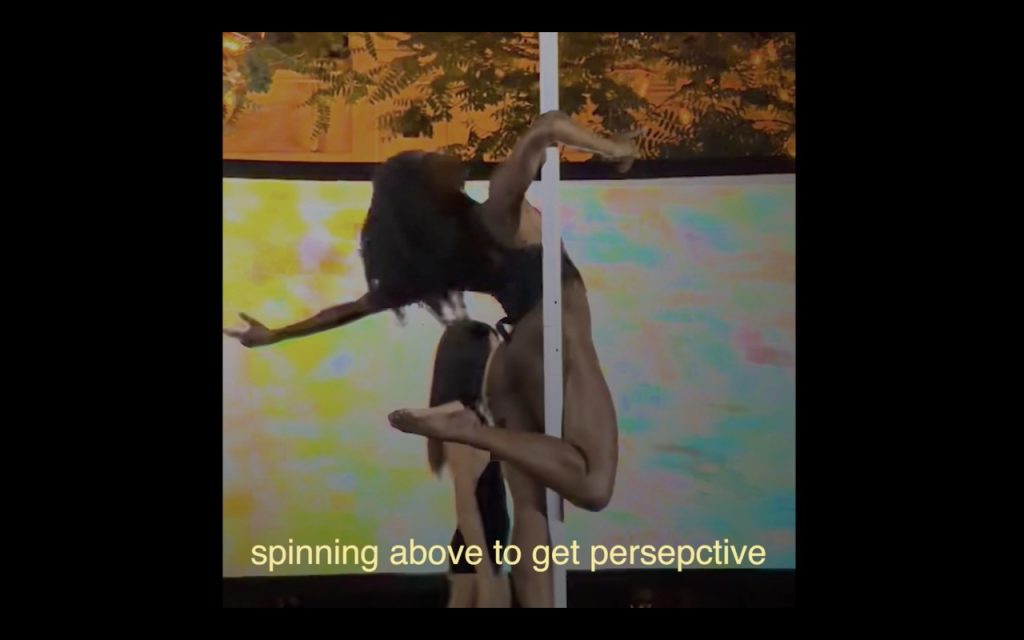
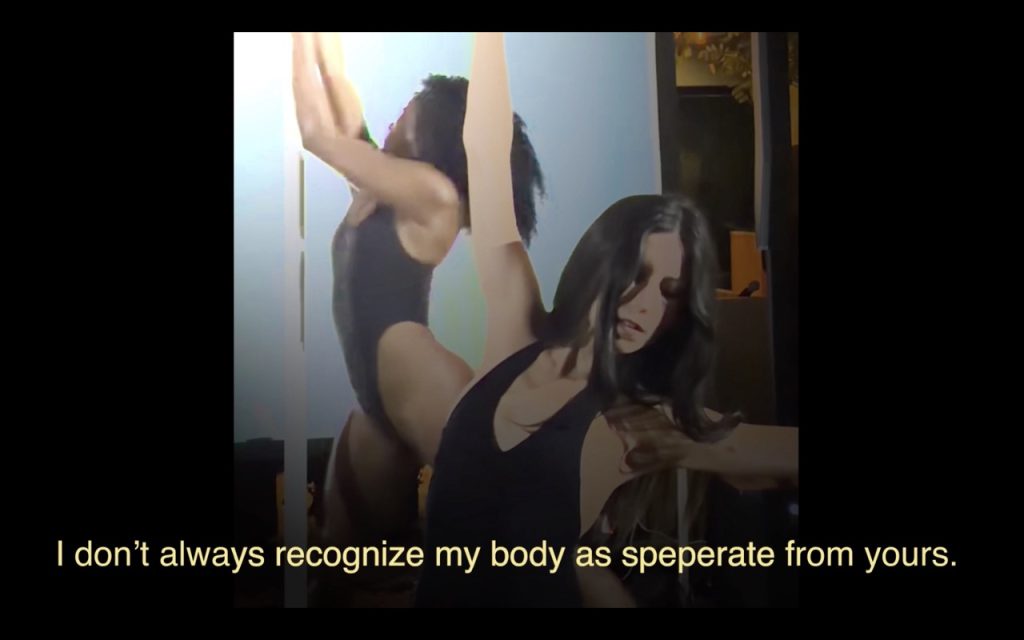
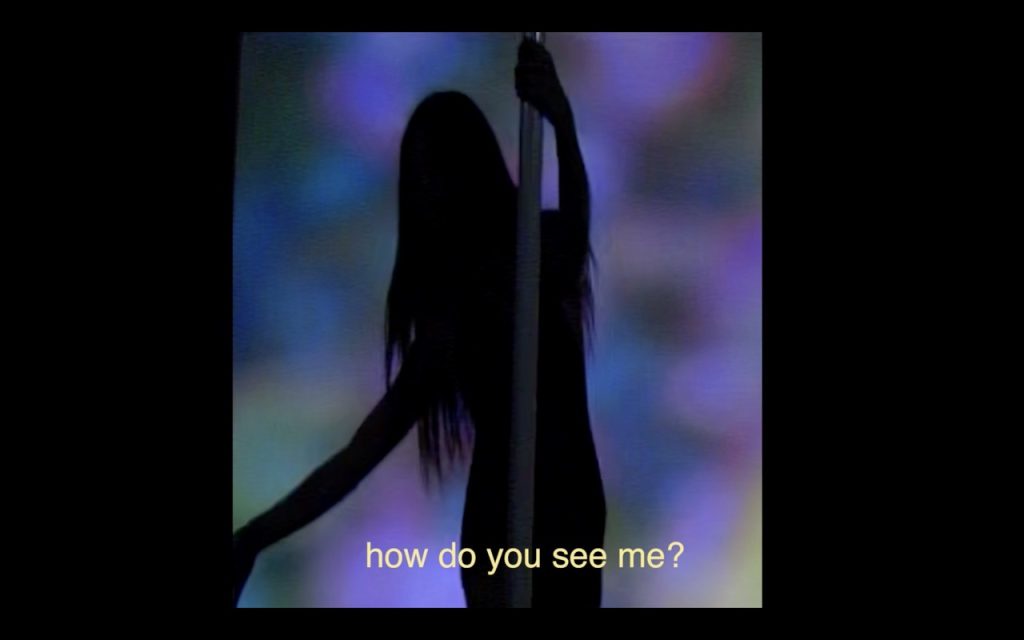
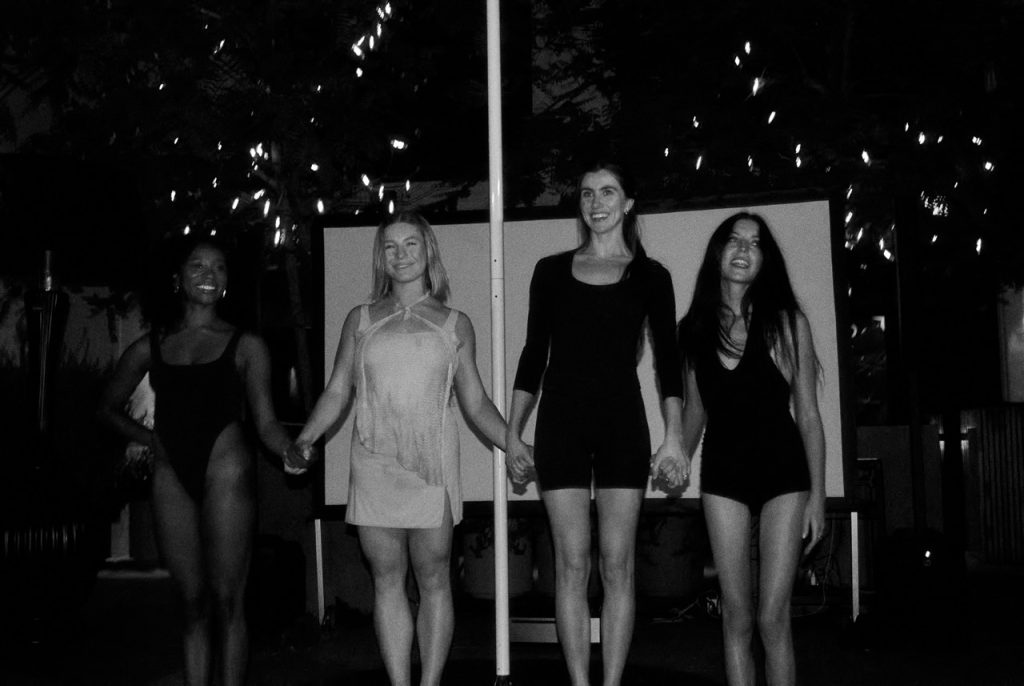
Murmur marks a continuation of Wheless’s ongoing inquiry into embodiment and perception. Drawing from her background in dance—a lineage that quietly anchors her painting practice—the work brings Wheless into movement alongside Megan Paradowski and Mackenzie Palmer, with an accompanying film directed by Dana Boulos and an original score by Niia Rocco. Blending elements of pole dance, ballet, and contemporary movement, the choreography operates in dialogue with the video projection, creating a feedback loop between image and body, and exploring the malleability of memory, exposure and control.
-

- Courtesy Avery Wheless.
-
- Courtesy Avery Wheless.
-
- Courtesy Avery Wheless.
-
- Courtesy Avery Wheless.
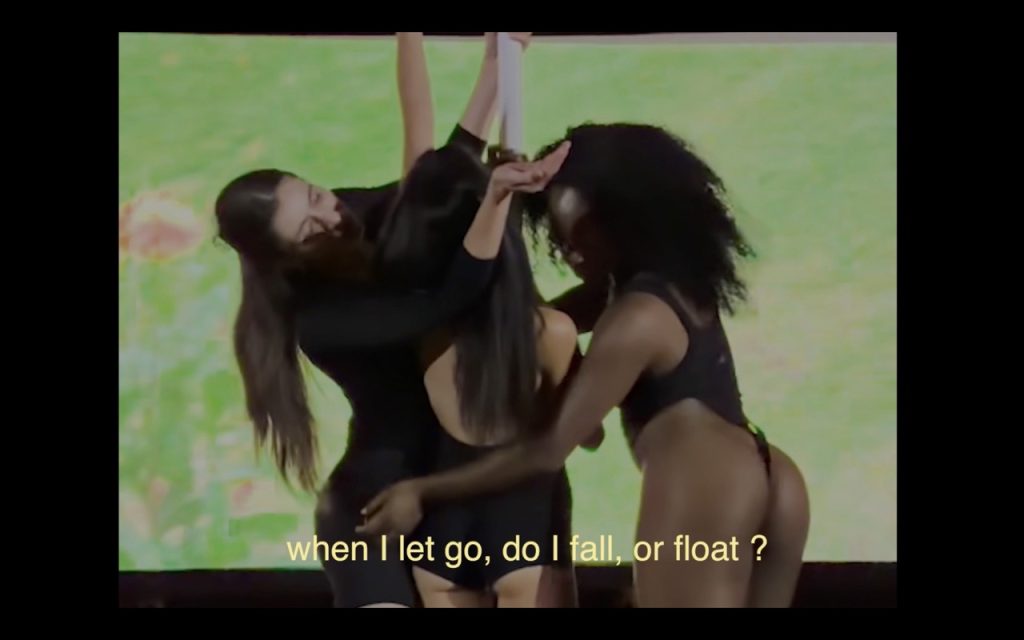
Wheless’s painting practice often extends beyond the canvas, engaging with ideas of presence amid distance and the impulse to dissociate when life accelerates too quickly. Across painting, performance, and film, she investigates self-perception and the tension of being an unreliable narrator. In Murmur, these inquiries take on physical form: the layered projection of Boulos’s film framing the dancers evokes the way memory flickers and reshapes itself, mirroring the evolving perception of one’s own body in relation to others.
Wheless’s painterly sensibility is evident throughout—the choreography unfolds like brushwork, alternating between sharp articulation and slow, dissolving transitions. The projected film behind the performers extends this rhythm, layering flickering images that suggest how the past both obscures and illuminates the present. This oscillation between distance and intimacy, between the seen and the felt, is central to Wheless’s broader practice, which often examines the instability of self-perception and presence.
-

- Photographed by Annie Noelker.
-
- Photographed by Annie Noelker.
-

- Photographed by Dani Drasin.
-

- Photographed by Jason MacDonald.
-

- Photographed by Annie Noelker.
-
- Photographed by Annie Noelker.
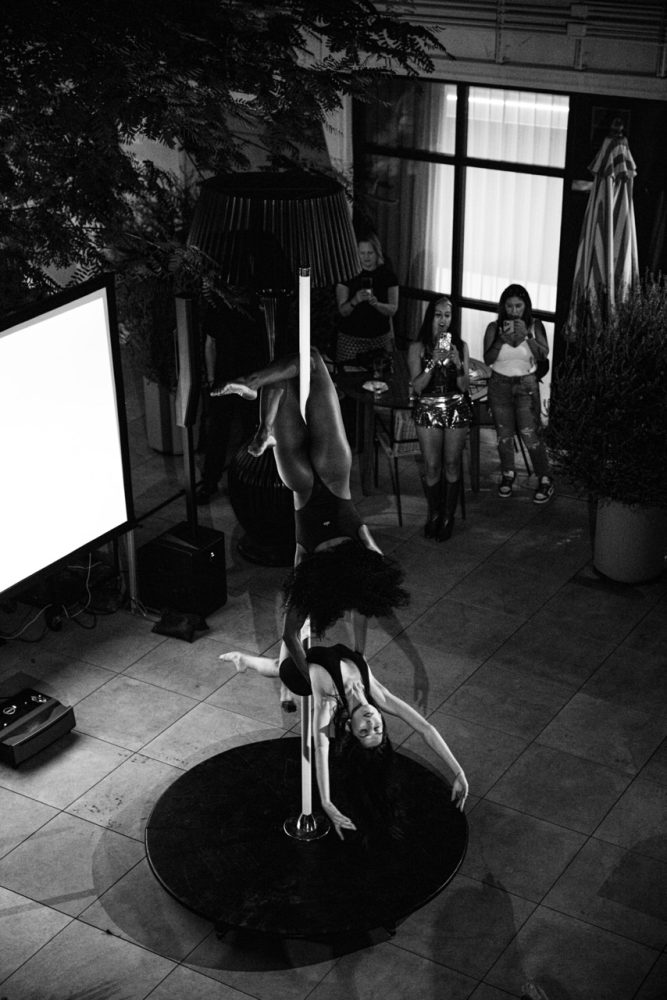
In Murmur, the female form becomes both subject and instrument—a vessel for exploring resilience, vulnerability, and the elasticity of connection. Even as the performers move apart, their gestures remain tethered, tracing invisible lines of relation and exploring how we continue to hold one another in moments of uncertainty, when stability feels just beyond reach.
At its core, Murmur is a meditation on how movement forges connection—how when we let go and even after all of the spinning, recollection reverberates like an echo, long after the body has stilled. Opening with an original poem written and vocalized by Wheless, Murmur begins in language before dissolving into the body—where gesture, rhythm, and breath carry what words cannot.